
What Does "Rewilding" Actually Mean? A Traveler's Guide
You've probably seen the word "rewilding" more in the last few years than in the decade before it — on travel sites, in documentaries, maybe on a lodge's About page. It gets used loosely enough that it's worth asking plainly: what does it actually mean, and how is it different from the conservation work that's been happening for decades?
The Short Answer
Rewilding is the practice of restoring an ecosystem to a self-sustaining, functioning state — most often by reintroducing the species that once anchored it, particularly predators, and then stepping back to let natural processes take over.
That last part is the key distinction. Traditional conservation often works to protect what's still there: a park boundary, a population, a habitat under threat. Rewilding starts from the assumption that something essential is already missing — usually a top predator or keystone species — and that the ecosystem can't fully function again until it's returned.
Where the Term Came From
The word was coined in the late 1990s by conservation biologists Michael Soulé and Reed Noss, who argued that protecting land alone wasn't enough if the species that shaped that land's ecology were gone. Their framework became known as the "three C's": cores (large protected areas), corridors (connections between them so wildlife can move and interbreed), and carnivores (the large predators whose presence, or absence, restructures everything beneath them on the food chain).
That third piece is the one that surprises people most. Predators don't just sit at the top of an ecosystem; they actively shape it.
Why Predators Matter So Much
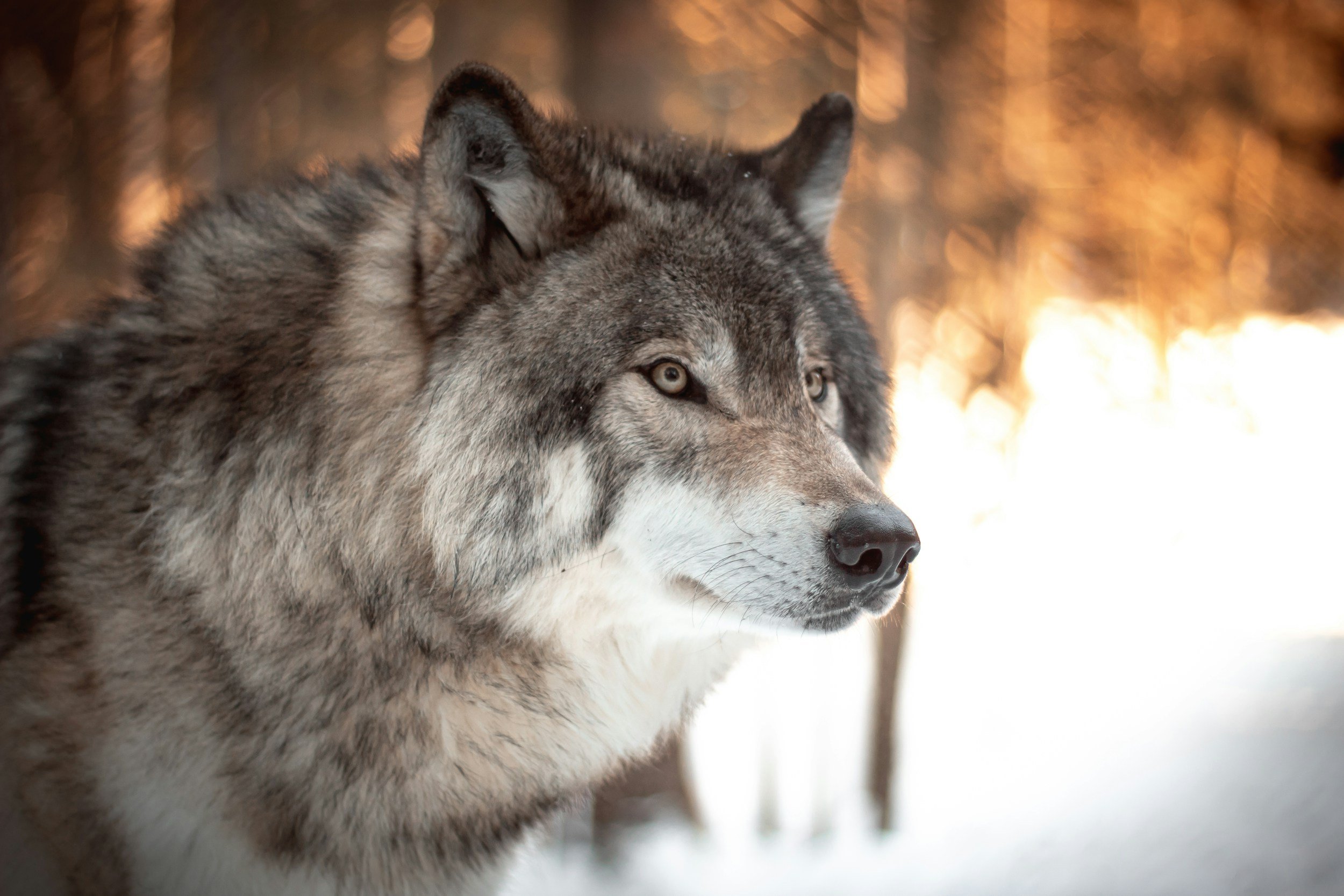
The clearest illustration is what happened in Yellowstone after wolves were reintroduced in 1995, decades after being hunted out of the park. Elk populations, no longer pressured by predators, had overgrazed young willow and aspen along riverbanks. Once wolves returned, elk behavior changed — they stopped lingering in the open valleys where they were exposed. Vegetation recovered. Beavers returned, building dams that reshaped the rivers themselves. Songbirds and fish followed. One species coming back changed the physical shape of the landscape.
This cascading effect — a change at the top of the food chain reshaping everything below it — is called a trophic cascade, and it's the central idea rewilding is built around.
What Rewilding Looks Like in the Field
In practice, rewilding is slower and more technical than "release an animal and walk away." It typically involves:
Soft-release enclosures, where reintroduced animals — often bred in captivity or relocated from healthy populations elsewhere — adjust gradually to a new territory before full release
GPS collaring and monitoring, tracking movement, territory formation, and survival for years after release
Prey-base restoration, since a reintroduced predator needs a functioning food web already in place, not just habitat
Community partnership, since rewilding large predators only works long-term if the people living alongside them are part of the plan, not an afterthought to it
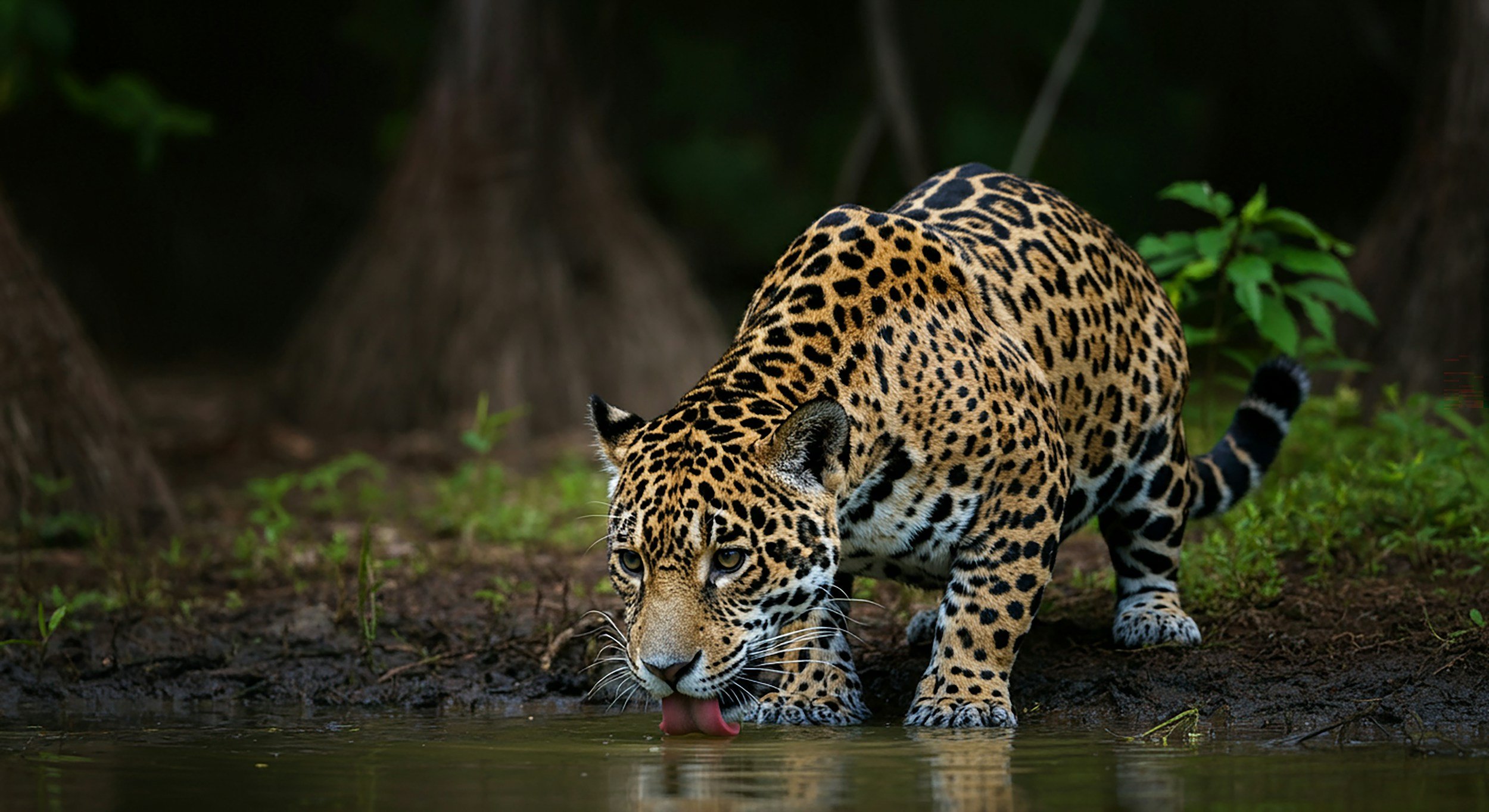
This is a multi-decade undertaking, not a single event — and it's exactly the kind of work happening right now in the Esteros del Iberá, where jaguars are returning to Argentina's wetlands for the first time in over 70 years, and across Chilean Patagonia, where pumas, guanacos, and condors are being given room to recover as ranchland reverts to open steppe.
Rewilding vs. Conservation vs. Ecotourism — Untangling the Terms
These three get used almost interchangeably, but they're not the same thing:
Conservation is the broad umbrella — any effort to protect species, habitats, or ecological processes from decline.
Rewilding is a specific strategy within conservation, focused on restoring what's missing (usually predators) rather than only protecting what remains.
Ecotourism is a funding and awareness mechanism — travel structured so that a trip's economic activity supports conservation or rewilding work, rather than working against it.
A rewilding project can exist without ecotourism. But most rewilding initiatives — including the ones we work with — rely on it, because reintroduction programs are expensive, multi-decade commitments, and travelers who come to see the work firsthand become some of the most durable funding and advocacy the projects have.
Rewilding Is Having a Moment
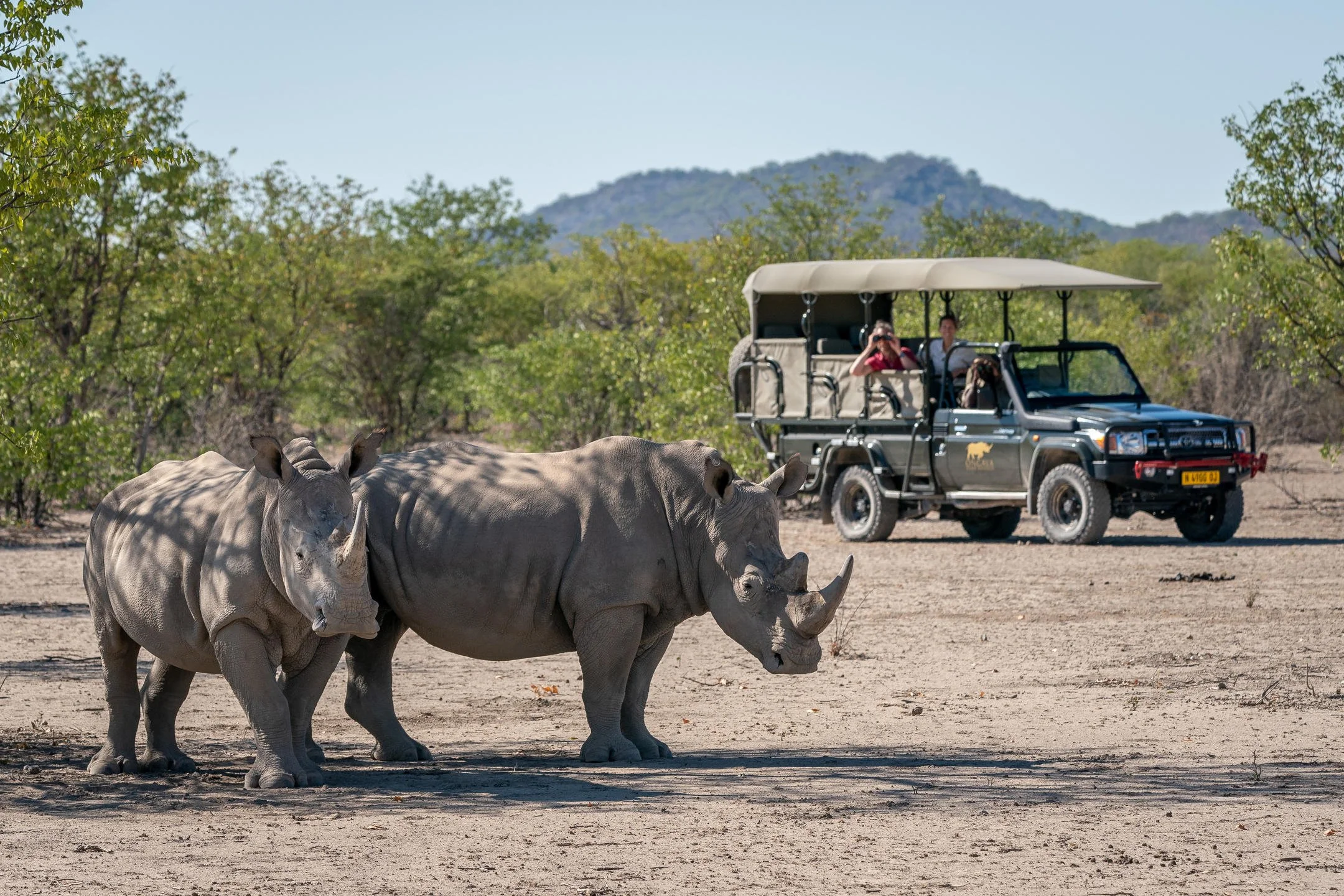
This isn't just a niche conservation strategy anymore — it's attracting serious capital. Leonardo DiCaprio's organization Re:wild recently committed $100 million toward the Phoenix Species Project, a $200 million effort (matched by the Bezos Earth Fund) to recover 100 of the world's most critically endangered species across 30 countries. It's a sign of where conservation funding is heading: toward the kind of targeted, science-led species recovery work that defines rewilding, rather than habitat protection alone.
Why It Matters to How You Choose Where to Go
Understanding rewilding changes what you look for in a trip. It's the difference between a wildlife-viewing itinerary and one where you're walking alongside the biologists doing collar work, visiting a pre-release enclosure, or hearing directly from the people whose ranchland became the protected core of a rewilding project. The animals are often the same. What you understand by the end of the trip isn't.
That's the thread running through where we take travelers — not just to see wildlife, but to understand, from the people doing the work, how it came back.
Curious what rewilding looks like on the ground? Our small group journeys are designed in partnership with organizations that are actively rewilding our planet. You can rest assured that your dollars are contributing to the rewilding of our planet.