
Why Book Direct With a Boutique Operator
Type "Patagonia small group tour" or "Namibia safari conservation trip" into a search bar and you'll get thousands of results in under a second — most of them from massive booking platforms promising the lowest price and the fastest checkout. It's tempting. It's also, for a trip that actually matters to you, usually the wrong move.
At TerraFauna Journeys, almost every conversation we have with a new traveler eventually circles back to the same question: why should I book direct with a boutique operator instead of just using a platform? It's a fair question, and it deserves a real answer — not a sales pitch. So here's an honest look at what a boutique tour operator relationship actually gets you, what a booking platform can't offer no matter how slick its interface is, and why "access over excess" only works when there's a real person — not an algorithm — standing behind your trip.

The Booking Platform Model: Convenience With a Catch
Generic booking platforms and online travel agencies (OTAs) are built to do one thing extremely well: process transactions at scale. They aggregate thousands of listings, take a commission on each booking, and route your money through several intermediaries before it ever reaches the ground.
That model works fine for a hotel room in a city you already know. It works far less well for a small-group conservation journey through the Chilean steppe or a private safari inside a fragile desert ecosystem, because:
You're often several layers removed from the people actually running your trip. A platform's customer service team usually can't tell you who your guide is, whether the lodge is locally owned, or what happens to your money once conservation fees are collected.
Pricing is opaque. Platforms build in commission stacks that can run 15–30%, meaning a meaningful chunk of what you pay never reaches the local guides, lodges, or conservation partners actually delivering your experience.
There's no continuity if something changes. Flight delays, weather disruptions, or itinerary hiccups get routed through a call center, not a travel designer who knows the region and can make a decision on the spot.
None of this is a knock on platforms for what they're good at. It's simply a mismatch for the kind of purpose-driven, relationship-dependent travel that conservation trips require.
What "Boutique Operator" Actually Means
"Boutique" gets used loosely in travel marketing, so it's worth being specific. A true boutique operator:
Works with a curated roster of on-the-ground partners, lodges, and guides — chosen because of direct, vetted relationships, not algorithmic listings
Handles a small volume of trips, which means your itinerary is built and managed by people who actually know the destination, not assembled from a template
Can be reached directly by phone or email by someone who knows your specific trip, your dietary restrictions, and your travel history — before, during, and after your journey.
This is the difference between booking a seat and booking an experience someone is personally accountable for.
On-the-Ground Relationships: The Real Difference
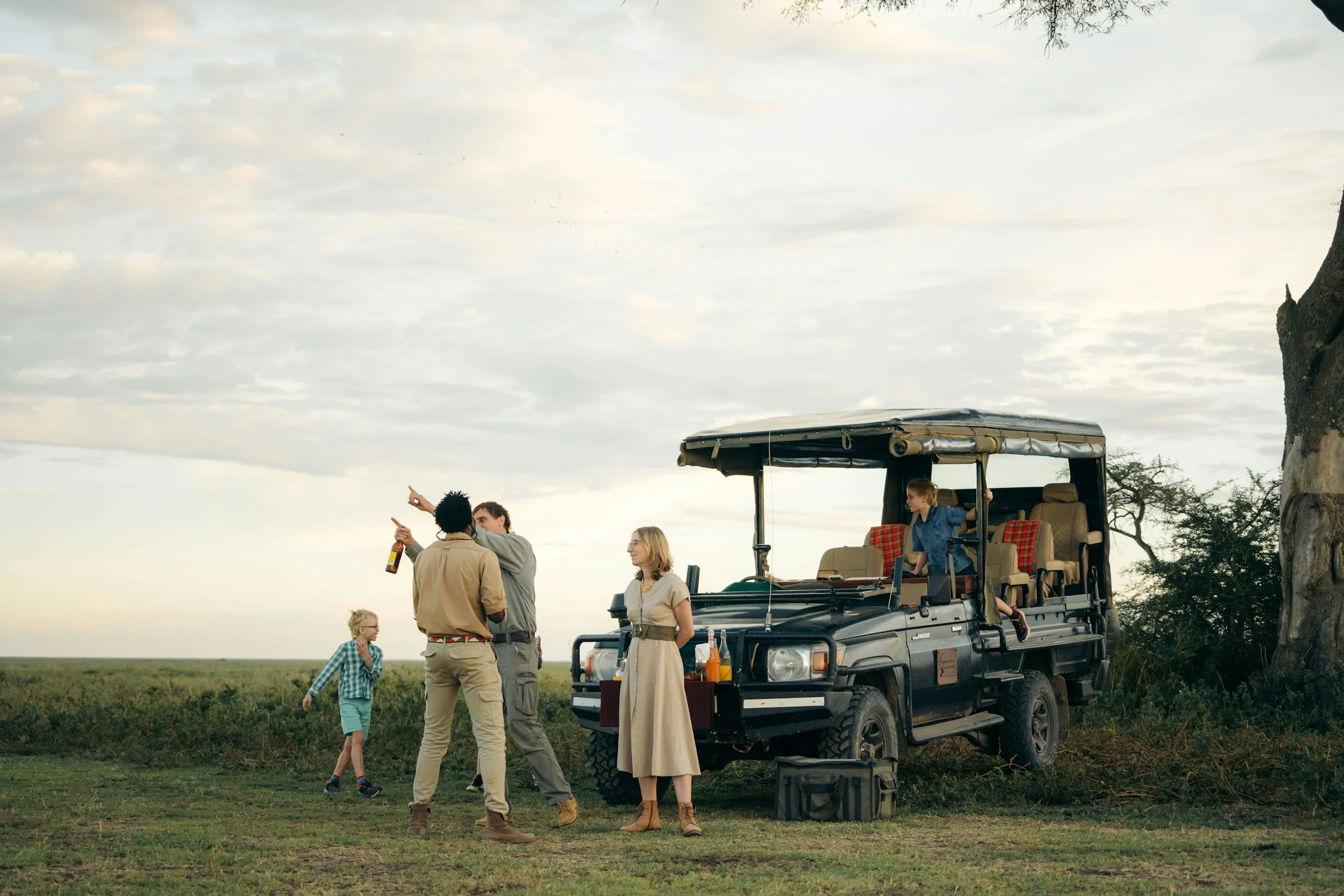
This is where the trust-building really happens. A destination management company is a locally based team that handles logistics, guiding, and permitting inside the destination — the people who actually know which ranger station has real-time condor tracking data, or which lodge owner has spent two decades building trust with a remote community.
When a boutique operator has direct relationships with these companies, that means:
Vetted, values-aligned partners. We don't list a lodge because it showed up in a directory — we've worked with the owners, understand their conservation commitments, and know their guides by name.
Faster problem-solving in the field. If a road washes out or a flight is delayed, our DMC partners can rebook, reroute, or rearrange in real time, because they're not waiting on a platform's approval chain.
Money that actually reaches the ground. Working directly with locally owned DMCs and lodges — instead of routing bookings through multiple resellers — means more of what you spend goes to the people and places doing the work, not to commission layers in between.
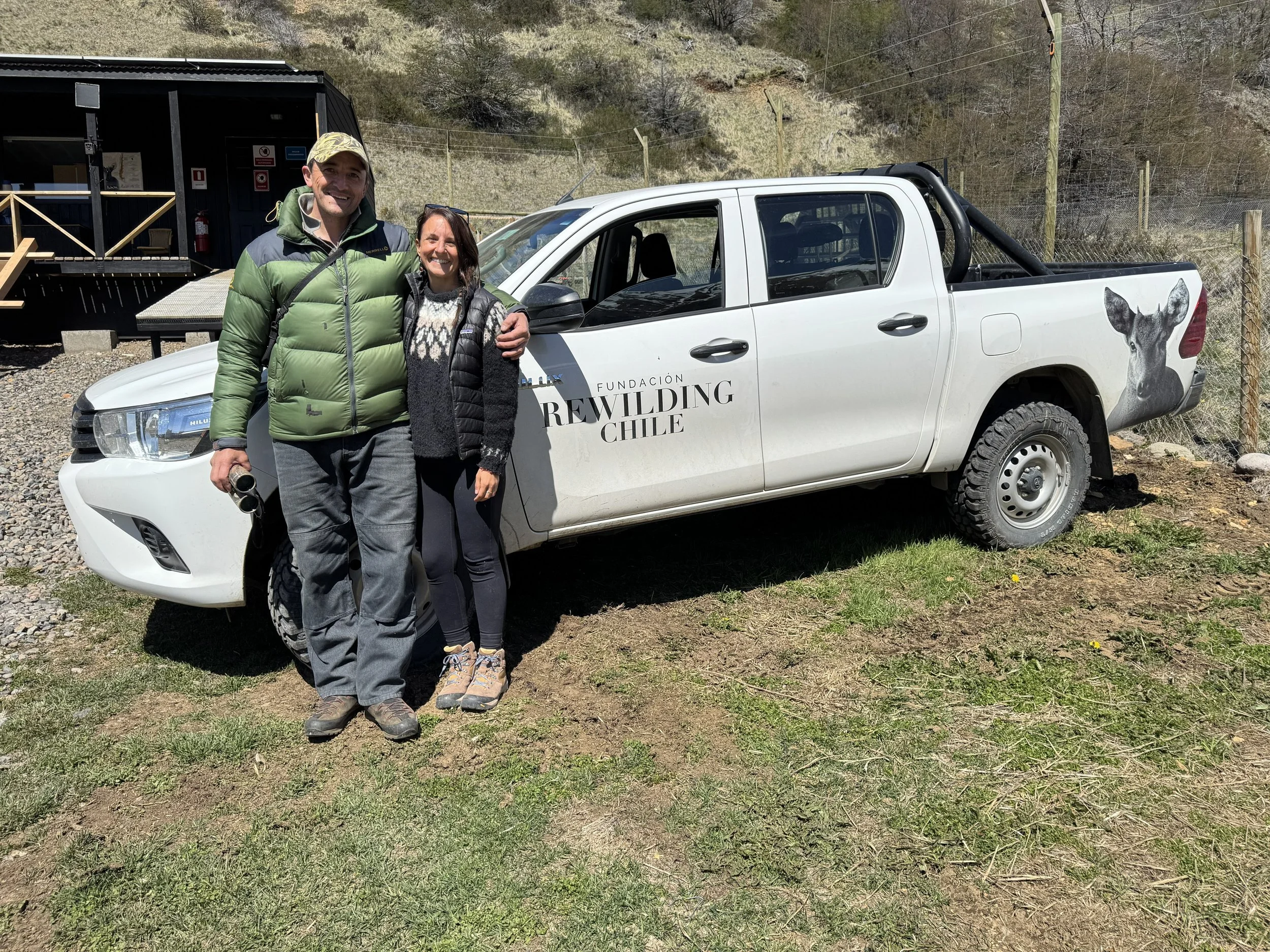
Access that platforms simply can't book. Some of our most meaningful experiences — like traveling with CONICET researcher-guides in Patagonia, or visiting Rewilding Chile's condor release program inside Patagonia National Park — exist because of relationships built over years, not listings pulled from a database.
TerraFauna's Model: Partnership Over Transaction
Every TerraFauna journey is built on our TerraGuardian network — conservationists, researchers, and locally owned lodges we partner with directly, not "vendors" pulled from a marketplace. It's the same philosophy behind our work with organizations like The International Dark Sky Association and Rewilding Chile: long-term, values-aligned relationships that let us build trips a booking platform structurally cannot replicate.
Because we book direct with these partners:
Our travel designers have usually visited the lodges and met the guides in person
We can answer specific questions about a trip — group size, physical difficulty, what's actually included — instead of pointing you to a generic policy page
Your trip supports the same local partners, guides, and conservation programs every time, building the kind of long-term local partnership that a one-off platform booking never can
Addressing the Real Objections
"Isn't a platform cheaper?" Often the sticker price looks lower, but that's before hidden fees, currency conversion markups, and change/cancellation charges are added. More importantly, a lower price through a platform usually means less of your money reaches the destination itself. Booking direct with a boutique operator means transparent pricing and a clearer picture of where your travel dollars go.
"Isn't it riskier to book with a small company instead of a big platform?" It's the opposite in practice. A boutique operator with real DMC relationships can respond directly and immediately if something goes wrong on the ground — no call center, no ticket queue. You're also working with a company whose name and reputation are directly tied to your experience, which tends to produce a very different level of care than an anonymous marketplace listing.
"Won't I get less flexibility booking direct?" Generally you get more. Custom itineraries, small-group departures, and last-minute adjustments are exactly what a boutique operator with in-house travel designers and direct supplier relationships can do — and what a rigid, templated platform booking usually can't.
The Bottom Line
Booking direct with a boutique travel operator isn't just a philosophical stance — it's a practical one. It means your trip is built by people who've actually been there, run by locally owned businesses and lodges with real conservation commitments, and backed by a team you can reach directly if plans change. That's the difference between purchasing a listing and partnering with the people protecting the places you're about to visit.
If you're weighing a platform booking against a direct one for your next conservation journey, ask the questions above. The answers will tell you everything you need to know.
Ready to talk through your next journey directly with our travel design team? Reach out here — no algorithm, no call center, just a real conversation about where you want to go and why it matters. We look forward to connecting, authentically, with you.