
Inside the Patagonia Journey: A Day-by-Day Look at Our Chile Patagonia Small Group Tour
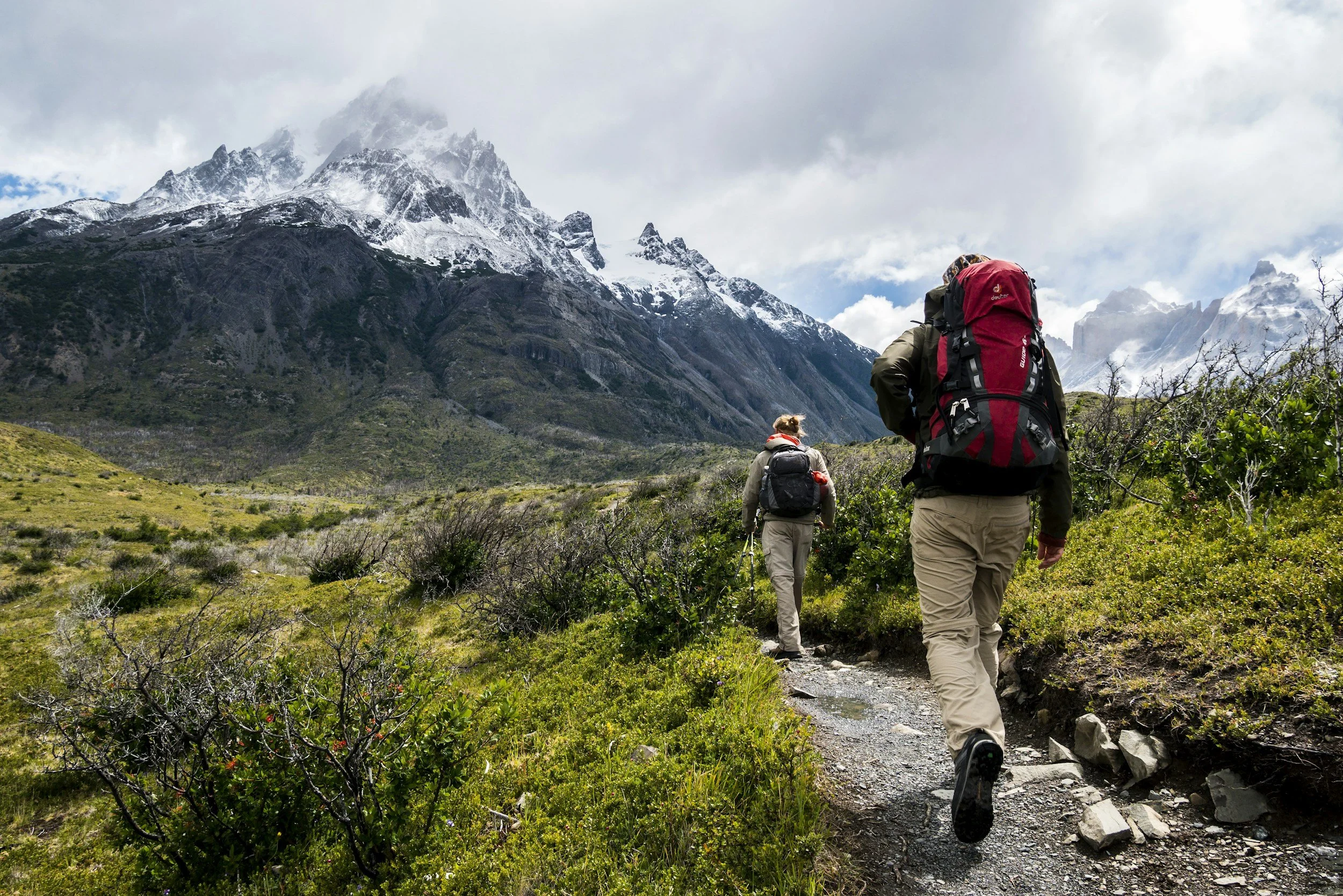
There's a difference between reading an itinerary and understanding a trip. Line items like "hike," "cruise," "track wildlife" don't tell you what it actually feels like to stand beneath a 1,000-year-old Fitzroya tree, or crouch in the Patagonian steppe at dawn following a puma's tracks with a wildlife biologist who has spent a career studying this exact animal.
So before our second Chile’s Patagonia: From Ancient Forests to the Edge of the World small group tour of the year departs this November, we wanted to walk through what eleven days here actually look like — where you'll sleep, who you'll meet, and what makes this particular Torres del Paine itinerary unlike any other Patagonia trip on the market.
The Basics
Dates: November 27 – December 7, 2026 (11 days)
Price: $9,495 per person, all internal flights and carbon offsetting included
Group size: Limited to 12 travelers
Arrive: Santiago, Chile Depart: Puerto Natales, Chile
This departure lands at the start of Patagonia's prime spring season. Think long daylight hours, milder temperatures (roughly 46–68°F), and the most stable weather window the region gets, though Patagonia will always keep you guessing a little. Bring layers.
Day by Day
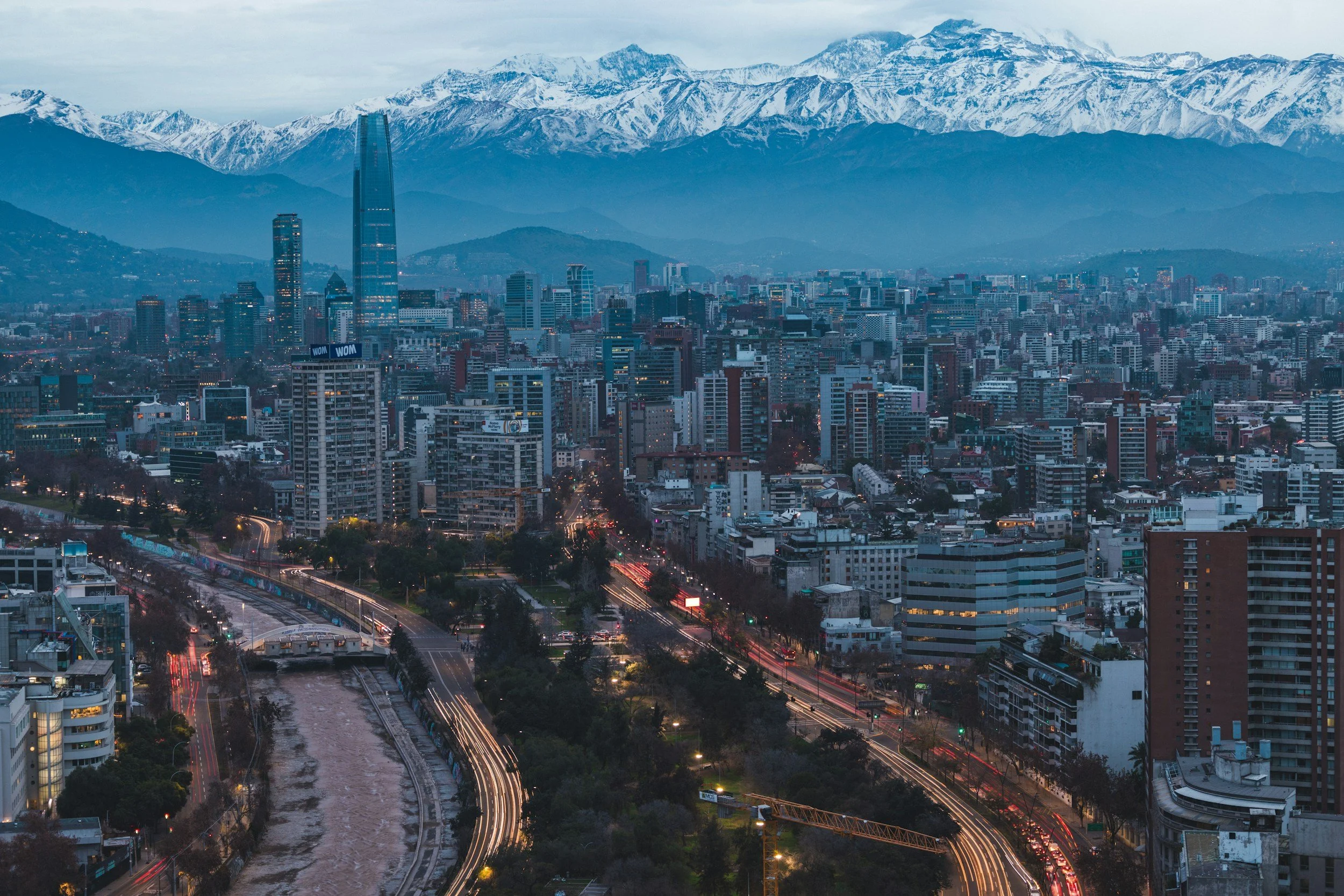
Day 1 — Santiago. Arrive in Chile's capital and meet your Trip Leader and fellow travelers over a welcome dinner in the Lastarria neighborhood, where the trip's throughline — the Route of Parks and the Tompkins Conservation legacy — starts to take shape.
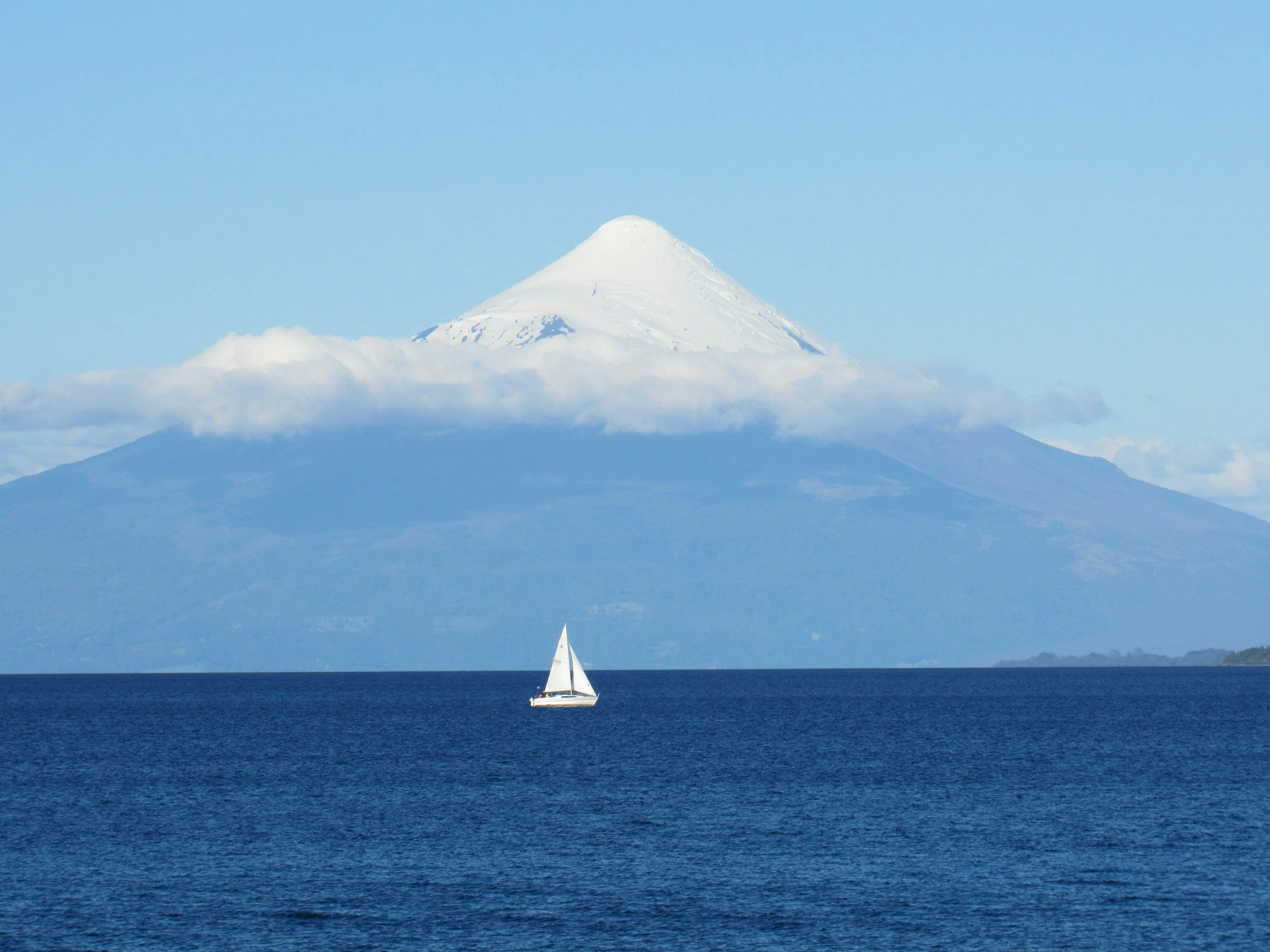
Days 2–3 — Puerto Varas & the Lake District. Fly south into a landscape shaped by fire and water. Lunch beneath towering, centuries-old Fitzroya trees, then an evening fireside talk with Rewilding Chile on what it actually takes to turn private land into working conservation. Day 3 moves into Vicente Pérez Rosales — Chile's first national park — followed by a hands-on field session with the Legado Chile Foundation on wetland restoration and the endangered species, like the Chilean giant frog and the Southern River Otter, that depend on it.
Days 4–5 — Pumalín Douglas Tompkins National Park. A flight over volcanoes and fjords, then arrival by boat at Caleta Gonzalo. Hike the El Amarillo trail through emerald valleys, hear the park rangers' account of how private land became national park, and — on Day 5 — choose your own adventure: a gentler forest walk or a volcano trek, followed by a walk through one of the world's last ancient Alerce forests, among trees older than the Roman Empire.

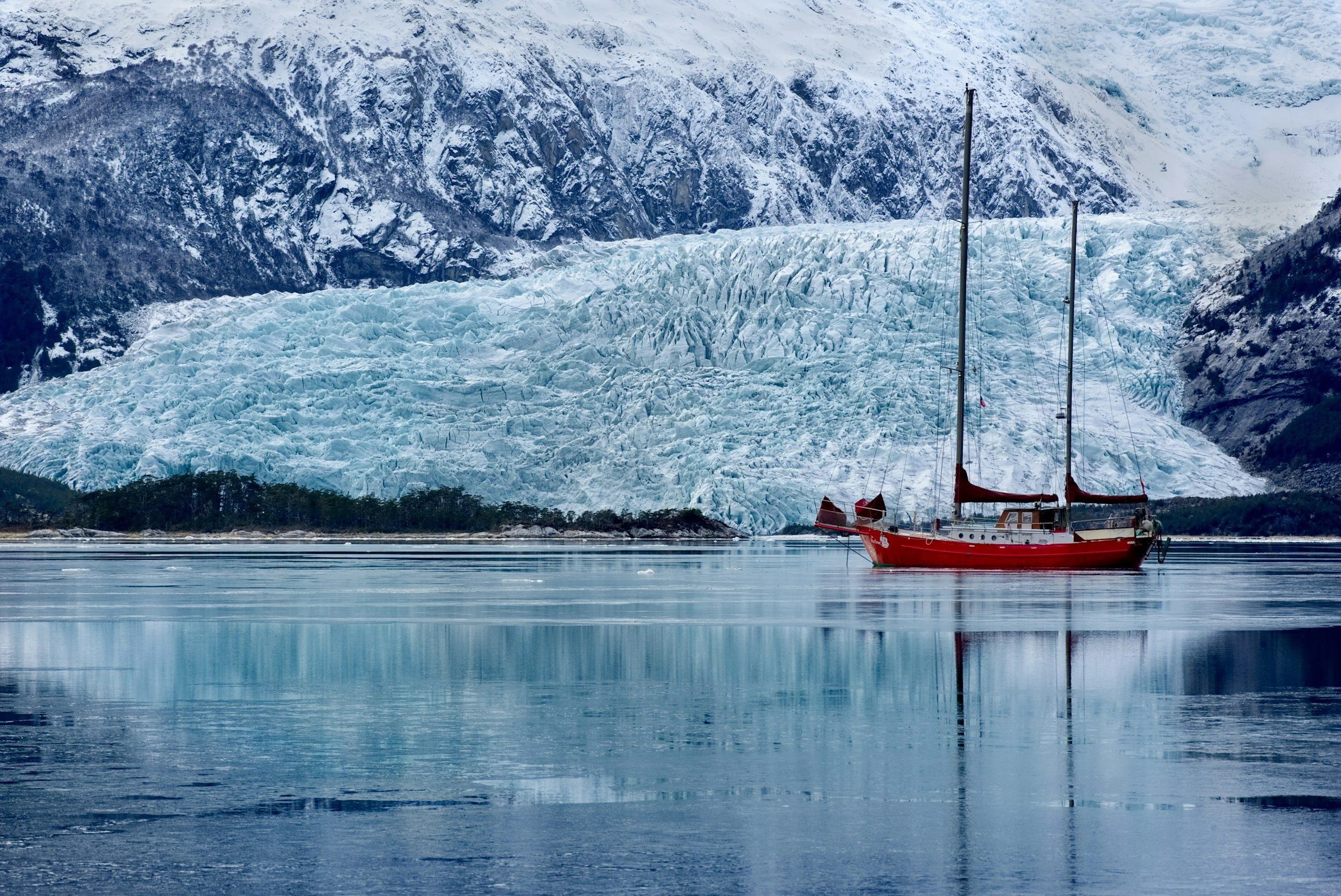
Days 6–7 — Punta Arenas & Cabo Froward. South to the "End of the World" gateway city, then a trek along the windswept shores of Cabo Froward to the southernmost lighthouse on the continent. A Zodiac ride through the Strait of Magellan often turns up dolphins, seabirds, and whales — and introduces the story of Chile's first Marine National Park, currently taking shape here.
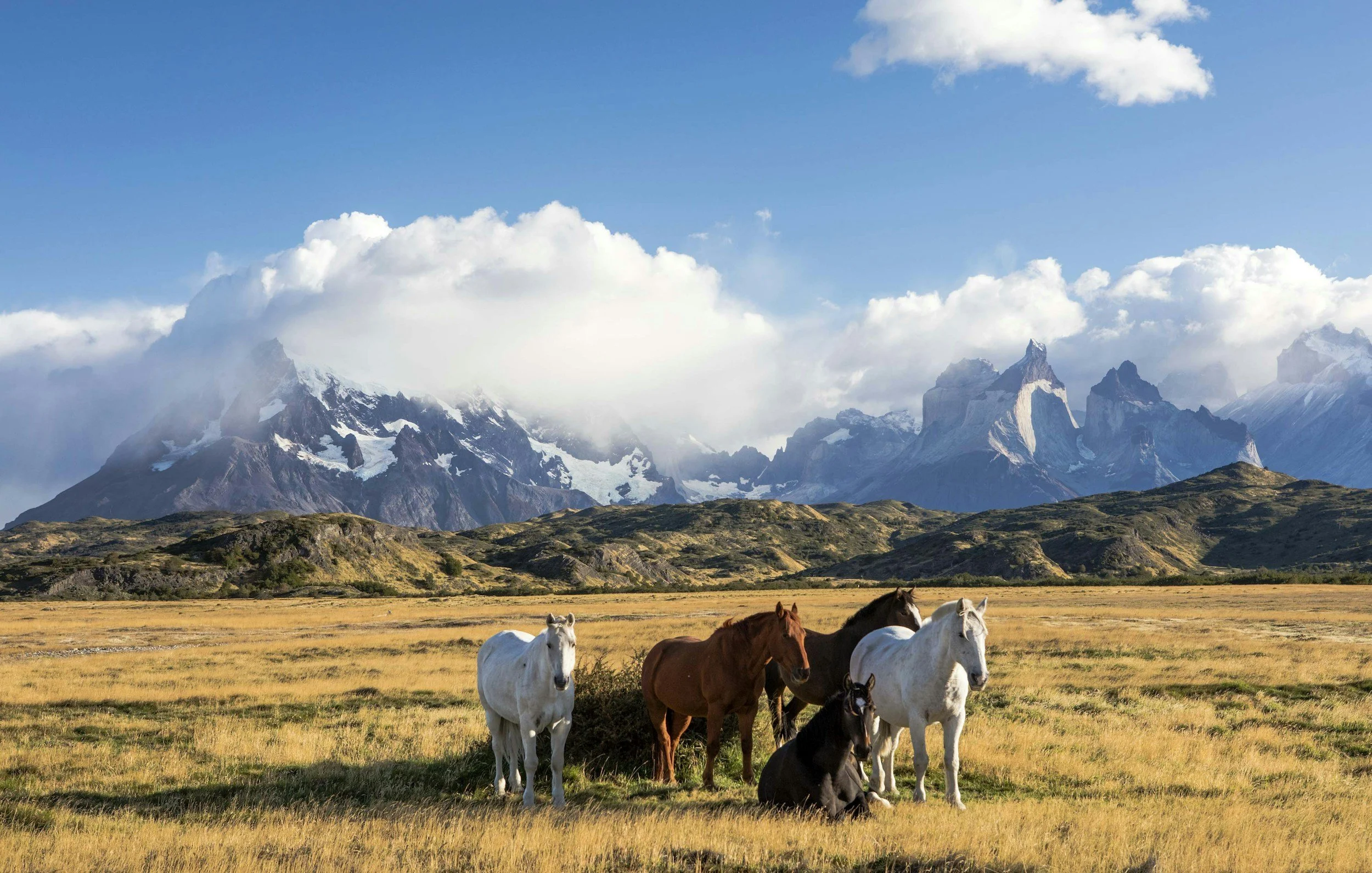
Days 8–11 — Torres del Paine & Puma Tracking. A catamaran crossing to a Magellanic penguin colony thousands strong, then inland toward Cerro Castillo and the high Patagonian steppe. The heart of this stretch is Day 9: setting off at dawn with a wildlife biologist and expert trackers on a puma tracking excursion through Torres del Paine National Park, learning the science and ethics behind coexisting with Patagonia's apex predator, once hunted as a threat and now studied as a conservation priority. Day 10 leaves room to go back out — or simply sit with the place — before a closing reflection circle. Day 11 is departure from Puerto Natales.
What Makes This Conservation Travel Itinerary Different
This isn't a checklist tour of Patagonia's highlights. Every stop on this conservation travel itinerary connects to a specific, ongoing effort you get to see up close: Rewilding Chile's restoration work, Legado Chile's wetland science, the puma research redefining how Torres del Paine's ranchers and wildlife coexist, and the early groundwork for Chile's first Marine National Park at Cabo Froward. You're not just viewing these landscapes you're hearing directly from the people doing the work to protect them.
The pace matters too. Capped at 12 travelers, the group moves slowly enough to actually absorb a place rather than photograph it and move on — intimate wilderness lodges each night, unhurried mornings, and built-in flexibility (like Day 5's choose-your-own-adventure) rather than a rigid must-see-everything schedule.
Logistics, Briefly
Physical level: Active but not extreme. Expect 4–6 miles of hiking most days with some elevation change, occasionally in wind or rain. A moderate fitness level is enough.
What's included: All accommodations, activities, transportation, internal domestic flights, most meals, carbon offsetting, and all guided experiences. Not included: alcohol, tips for your dedicated guide, travel insurance, and international airfare.
Deposit: A non-refundable $1,000 deposit secures your place and covers non-transferable park permits — genuinely limited access, not just marketing language.
Ages: Recommended for travelers 13 and up; private family departures available for younger children.
Ready to See It for Yourself?
This is the itinerary behind every Patagonia post you've seen from us this season now you know exactly what those 11 days hold. The November 27th departure closes the end of August. Hold your space now.