
How Your Trip Funds Conservation: Inside Rewilding Chile's Work in Patagonia
Every TerraFauna guest who travels through Chilean Patagonia hears the same phrase from our guides: this trip supports rewilding. It's on our itinerary pages. It's in our pre-departure materials. It's true but it's also, if we're honest, a little abstract until you can see what it actually buys.
Rewilding Chile just published its 2026 mid-year impact report, and it gives us something better than a mission statement: dates, numbers, and named animals. So instead of telling you again that your journey supports conservation, we wanted to show you three specific things that happened this year, in the exact landscapes our guests walk through.
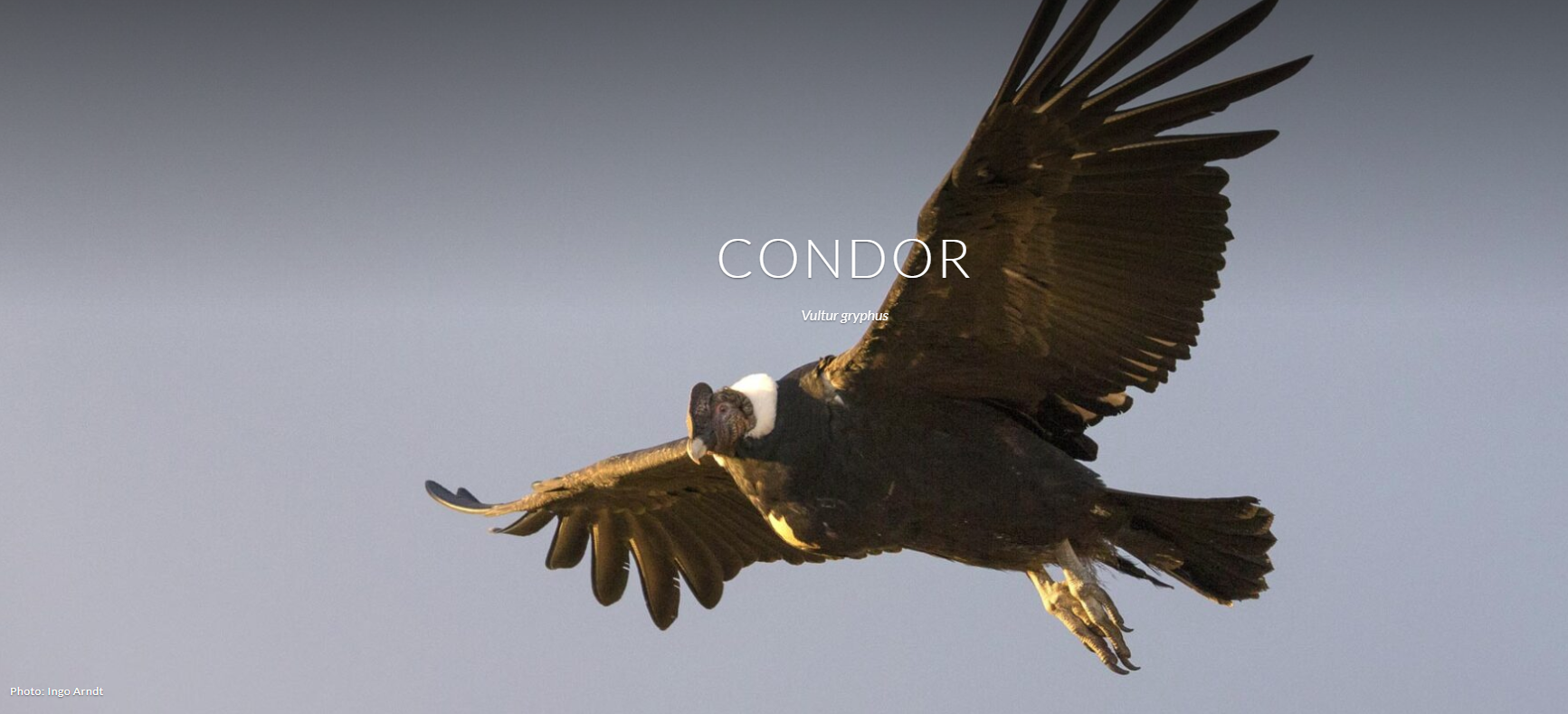
Three condors learned to fly again in the Chacabuco Valley
In January, three young Andean condors were released into Patagonia National Park's Chacabuco Valley as part of the long-running Manku Project, a partnership between Rewilding Chile, the Aves Chile ornithological union, and the Chilean livestock and forestry services. The birds, a captive-born female and two rescued juveniles with injuries sustained in the wild, spent months in acclimatization pens before their release, each fitted with satellite trackers so researchers can follow exactly where they go.
That tracking matters more than it might sound. The Andean condor is the largest flying bird on Earth, and Patagonia now holds the majority of Chile's remaining population, largely because the species has declined sharply further north where poisoned carrion and habitat loss have taken a toll. Every bird released here, and monitored afterward, adds real data to how conservationists protect flight corridors and feeding grounds across an area that spans both public parkland and private ranches.
Wildlife director Cristián Saucedo has described condors as “the scavengers of the Andes and a reminder to reflect on how people relate to the surrounding ecosystem” a role that's easy to romanticize and easy to overlook, depending on whether anyone is watching closely enough to notice it happening.
This is the same valley our small-group Patagonia journey moves through on its Route of Parks days. Guests don't just see condors overhead with the right timing, they're looking at birds whose entire release and monitoring program is partially underwritten by conservation fees built into the trip.
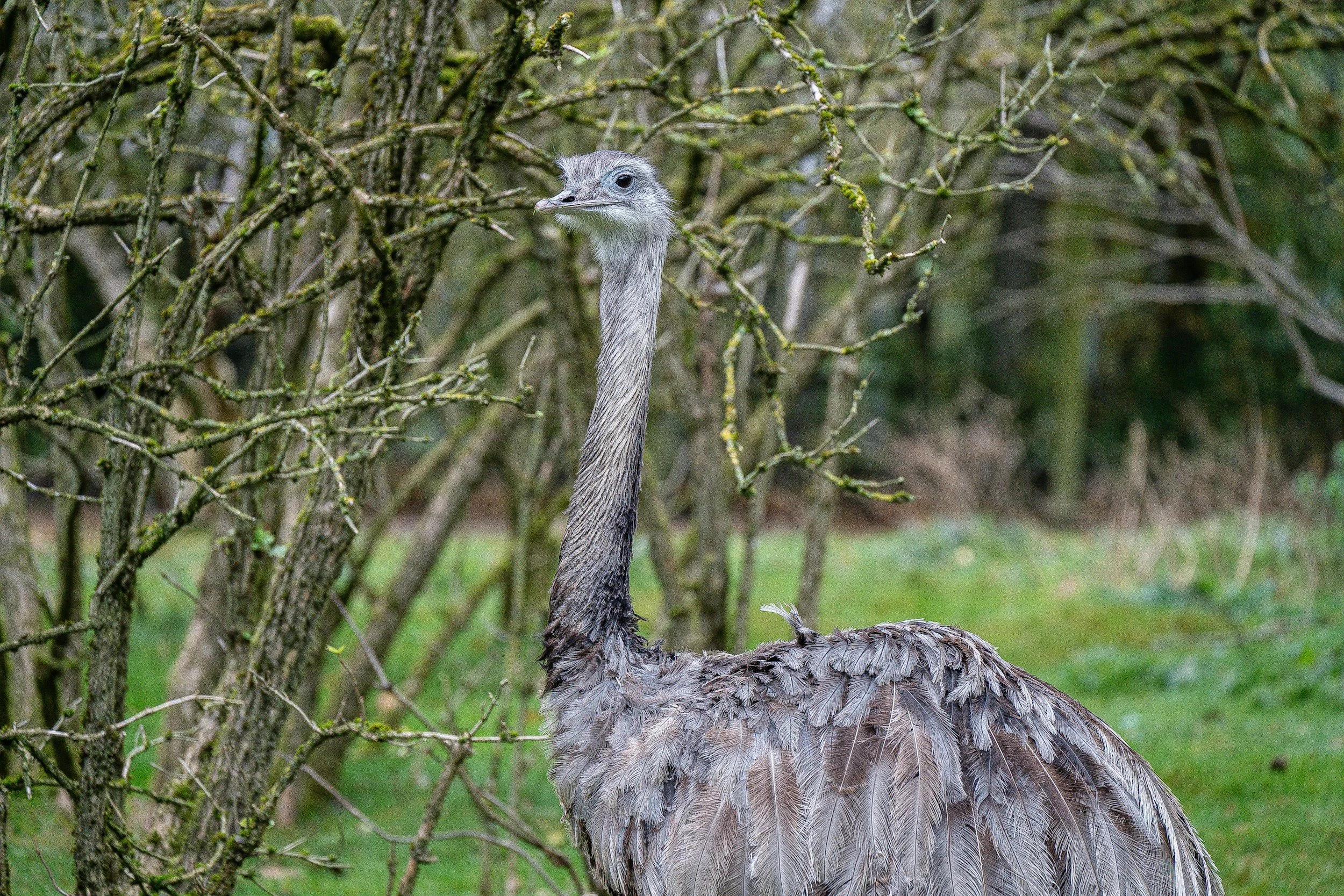
Forty Darwin's rheas return to the steppe
Darwin's rhea — known locally as ñandú — is a flightless, ostrich-like bird native to Patagonia's grasslands, and it's been quietly disappearing for decades due to hunting, egg collection, and habitat loss. Rewilding Chile's breeding and translocation program, running since 2015 out of a facility in the Chacabuco Valley, exists to reverse that.
The mid-year report puts this year's release total at 40 rheas returned to the wild steppe of Patagonia National Park birds bred in the park's own facility, supplemented by translocated adults from partner reserves in Chile and, in a first-of-its-kind collaboration, from Rewilding Argentina across the border. It's the kind of number that only means something in context: when the program began, fewer than 20 rheas remained in this entire landscape. Forty released in a single year is not incremental progress. It's a population being rebuilt from the ground up.
Rheas are a quiet keystone of the steppe ecosystem grazers whose foraging habits shape grassland composition, and prey that supports the broader predator-prey balance pumas depend on. Their return isn't as visually dramatic as a condor's first flight, but it's arguably just as important to the health of the ecosystem our guests come to see.
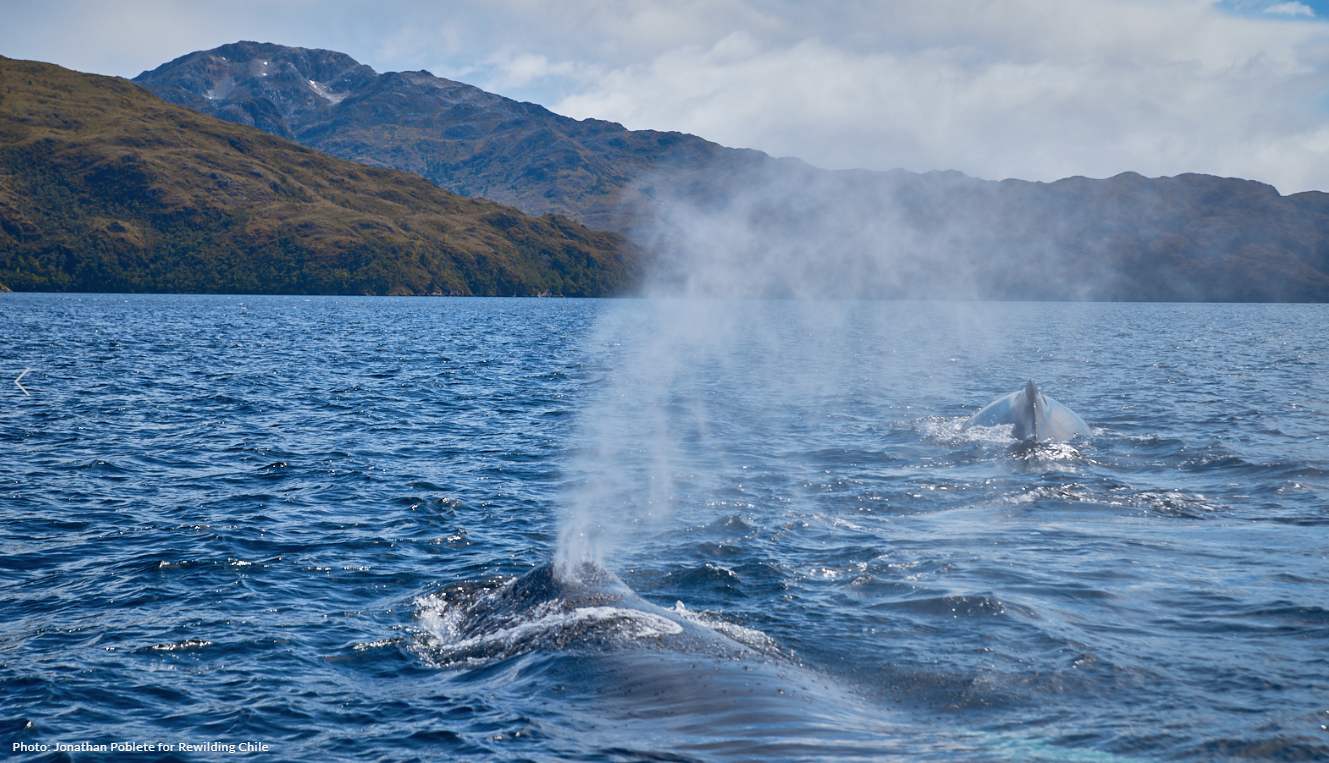
Cape Froward: Chile's next national park is taking shape
At the southern tip of the continent, where the Strait of Magellan meets the open Pacific, Rewilding Chile has spent years working toward the creation of Cape Froward National Park — a proposed donation of roughly 93,000 hectares that would become Chile's first national park to link terrestrial and marine protection in one designation.
This isn't a distant someday project. The Chilean government has already signed a formal protocol to move the designation forward, and the region drew international attention this year when The New York Times named it one of its 52 places to visit in 2026, citing the wild, wind-scoured hiking terrain the new park will protect. What's advancing now is the technical and political work of finalizing boundaries, management plans, and the marine protections that would safeguard the fjords, kelp forests, and cold-water species found nowhere else in Chile at this scale.
For travelers, Cape Froward represents something we don't get to say often in conservation travel: you can visit a national park while it is still becoming one. Our itinerary's Strait of Magellan days already explore this coastline by boat, learning directly from the Rewilding Chile team how a marine park is negotiated, drawn, and protected — long before most visitors will ever set foot here.
Where your trip fits into this work
TerraFauna's Chile itinerary isn't a wildlife-watching trip that happens to mention conservation. Beyond the funds our visit itself generates for the region, TerraFauna donates an additional $200 USD per person directly to Rewilding Chile — and every stop on the Route of Parks section of the journey — the Chacabuco Valley, Patagonia National Park, the Strait of Magellan — is a place where that funding is actively at work, not just historically significant.Concretely, that support helps fund:
Satellite tracking and acclimatization infrastructure for condor releases like the one in the Chacabuco Valley
The breeding facility and translocation logistics behind the rhea program
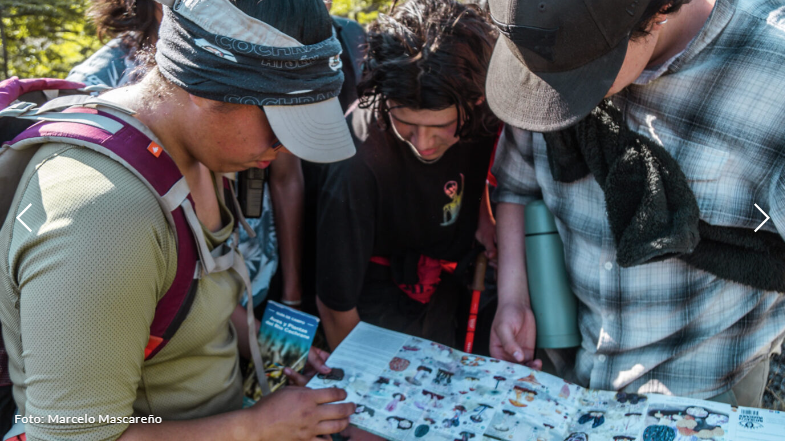
Field science, ranger presence, and the community outreach programs that keep local towns invested in the parks' future
The ongoing technical work behind new designations like Cape Froward
None of this replaces Rewilding Chile's own donor base or government partnerships it supplements it, in the same way responsible tourism revenue supplements conservation funding everywhere it works well: predictably, and tied to a place people can actually visit and understand.
Frequently asked questions
Is Rewilding Chile the same as Tompkins Conservation? Rewilding Chile is the independent Chilean foundation that carries forward the conservation work originally founded by Kristine and the late Douglas Tompkins. It became a fully independent nonprofit in 2021, continuing the restoration and rewilding programs across Patagonia's Route of Parks.
Can I see the condors or rheas on a TerraFauna trip? Sightings are never guaranteed with wild animals, but our Patagonia itinerary moves directly through the Chacabuco Valley and Patagonia National Park, where both programs are based, with guides who can speak to the current state of each release.
How much of my trip cost goes directly to conservation? On top of the funds already generated by your visit itself, TerraFauna donates an additional $200 USD per person on the Chile journey directly to Rewilding Chile, dedicated to their ongoing work in the field.
Can I support Rewilding Chile directly, outside of a trip? Yes — Rewilding Chile accepts direct donations through rewildingchile.org, independent of any travel booking.
Curious what this looks like on the ground? Our Chile Patagonia small group journey spends dedicated days with the Rewilding Chile team in the field. Read the story of an earlier condor release in our journal, or reach out to us to talk through the itinerary.