
Access Over Excess: Why the Future of Luxury Travel Isn't About More
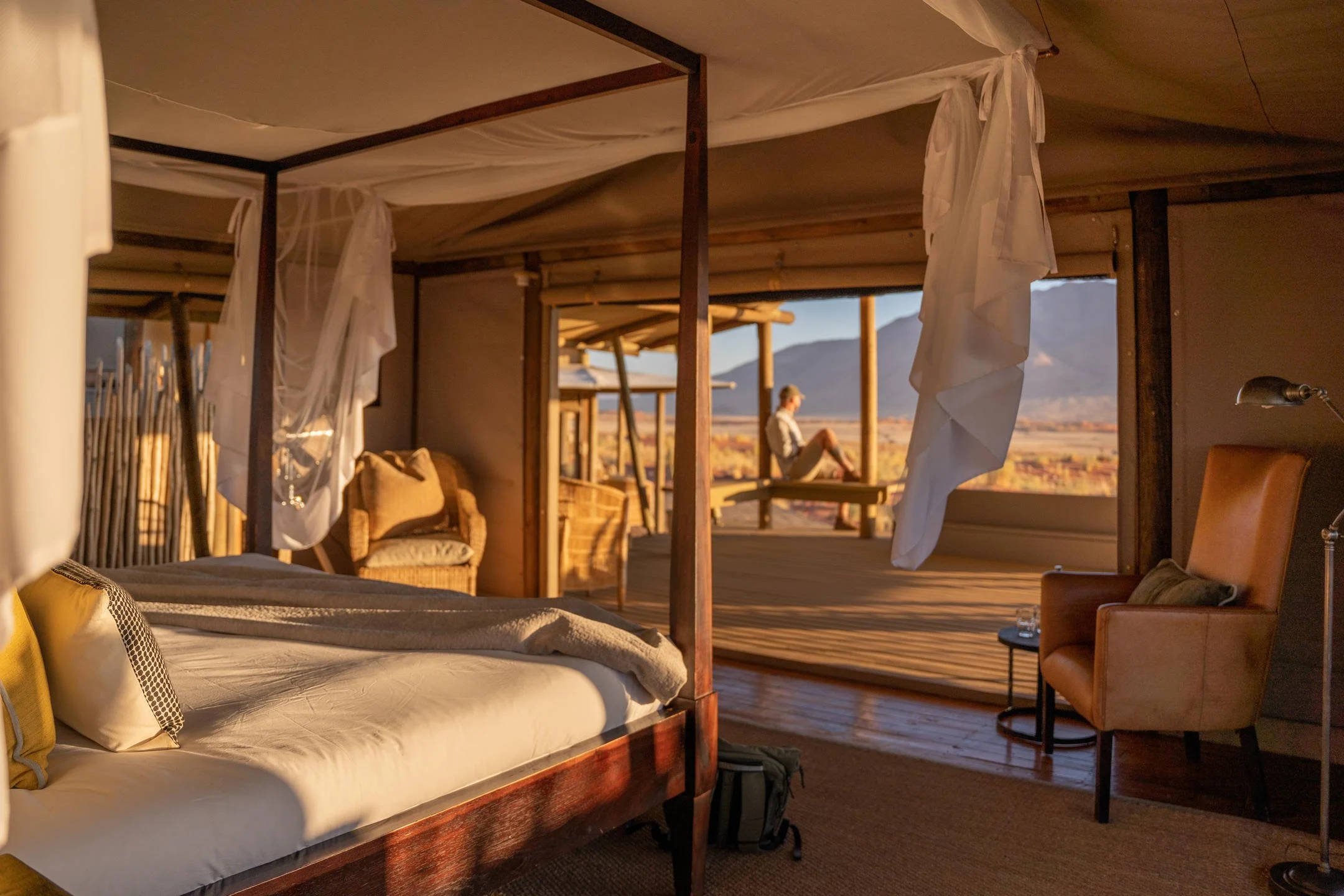
For a long time, luxury travel had a formula: bigger suites, longer menus, more amenities, more staff, more stuff. The industry taught travelers to measure a trip's worth by what it piled on, thread count, square footage, the number of pools.
That formula is starting to break down. Not because comfort stopped mattering, but because a growing number of travelers have started asking a different question. Not "how much did I get?" but "where did I actually go, and who did I actually meet?"
At TerraFauna Journeys, we've built our entire philosophy around that shift. We call it access over excess and it's changed what we believe luxury travel is for
The Problem With "More"
Excess is easy to sell because it's easy to photograph. A private plunge pool. A seven-course tasting menu. A suite the size of an apartment. These things are real pleasures, and there's nothing wrong with enjoying them.
But excess has a ceiling. Once you've stayed in enough five-star resorts, the marginal thrill of one more infinity pool starts to flatten out. Travelers who've done the five-star circuit for years often report the same thing: the trips start to blur together. Beautiful, comfortable, and strangely forgettable.
That's the quiet cost of excess-driven travel it optimizes for comfort at the expense of meaning.
What Access Actually Means
Access is a different currency entirely. It's not about what's in your room. It's about what's possible on your trip that wouldn't be possible any other way.
Access looks like:
Sitting with a conservationist who has spent twenty years protecting the ecosystem you're standing in, and hearing what's actually at stake not the tourist-brochure version
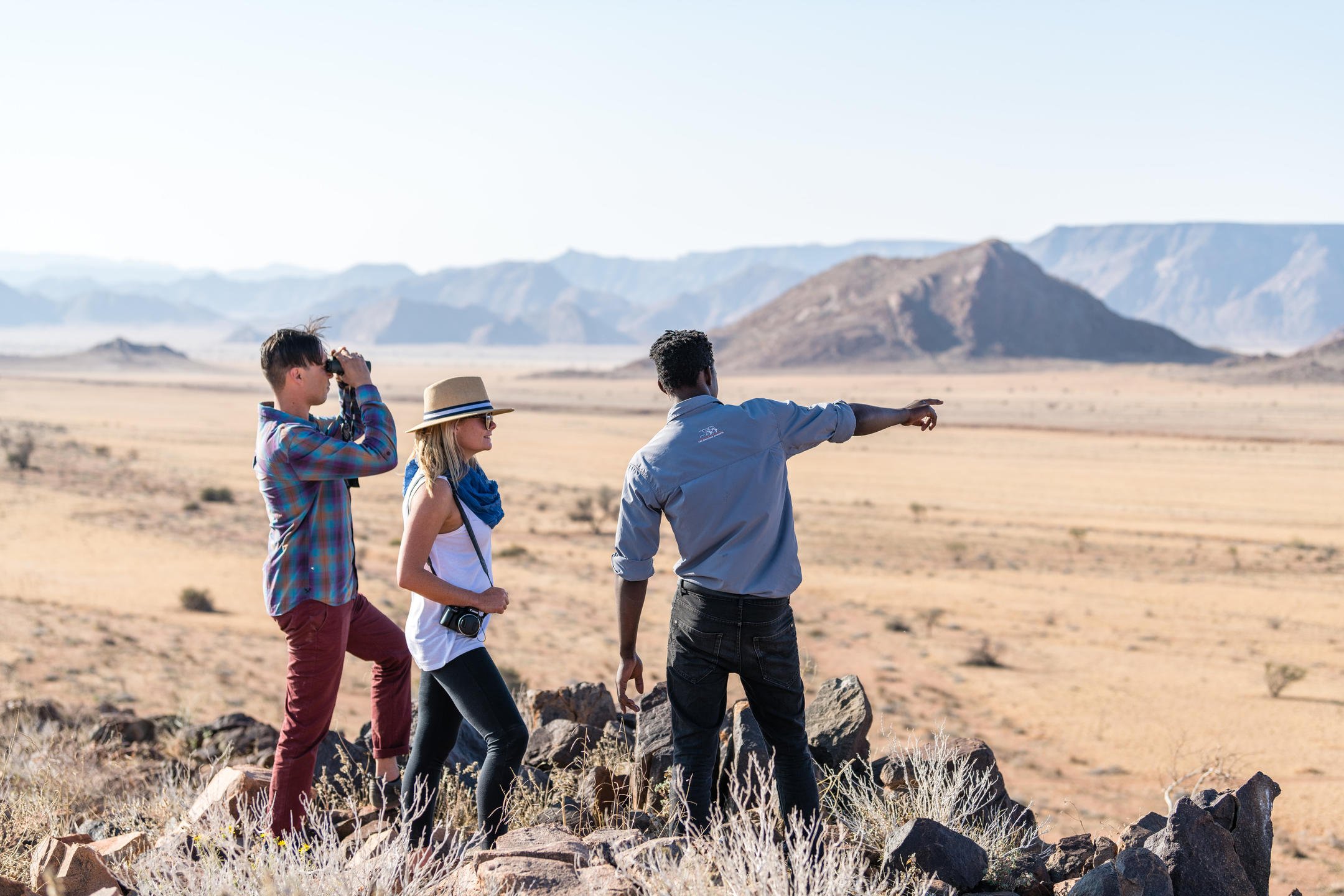
Tracking wildlife alongside local trackers whose knowledge of the land goes back generations
Being welcomed into a community-led conservation model as a participant, not a spectator
Traveling in a group small enough that the place shapes the itinerary, not the other way around
None of this can be manufactured by adding another amenity. It requires relationships. The kind built over years of working directly with the people protecting the world's most vital ecosystems. It's the difference between visiting a place and actually being let into it.
Why This Matters More in an Overtourism World
Overtourism has made "access" scarce in a very literal sense. The most extraordinary places on Earth are also the most fragile, and many of them are reaching — or have already reached — the limits of what they can absorb. Iconic destinations are increasingly overwhelmed by visitor numbers, straining the ecosystems and communities that make them worth visiting in the first place.
Small-group, relationship-driven travel isn't just a nicer experience for the traveler. It's a structurally different way of visiting a place, one that puts far less pressure on the ecosystem and far more resources directly into the hands of the people protecting it. A trip capped at 10 or 12 guests, guided by local experts, funding conservation work directly, is a fundamentally different footprint than a coach tour of 24.
This is why "access over excess" isn't just a nicer tagline. It's a practical response to a real problem in global travel. Because if we don't start to care more about these places, they will be lost.
What Travelers Actually Remember
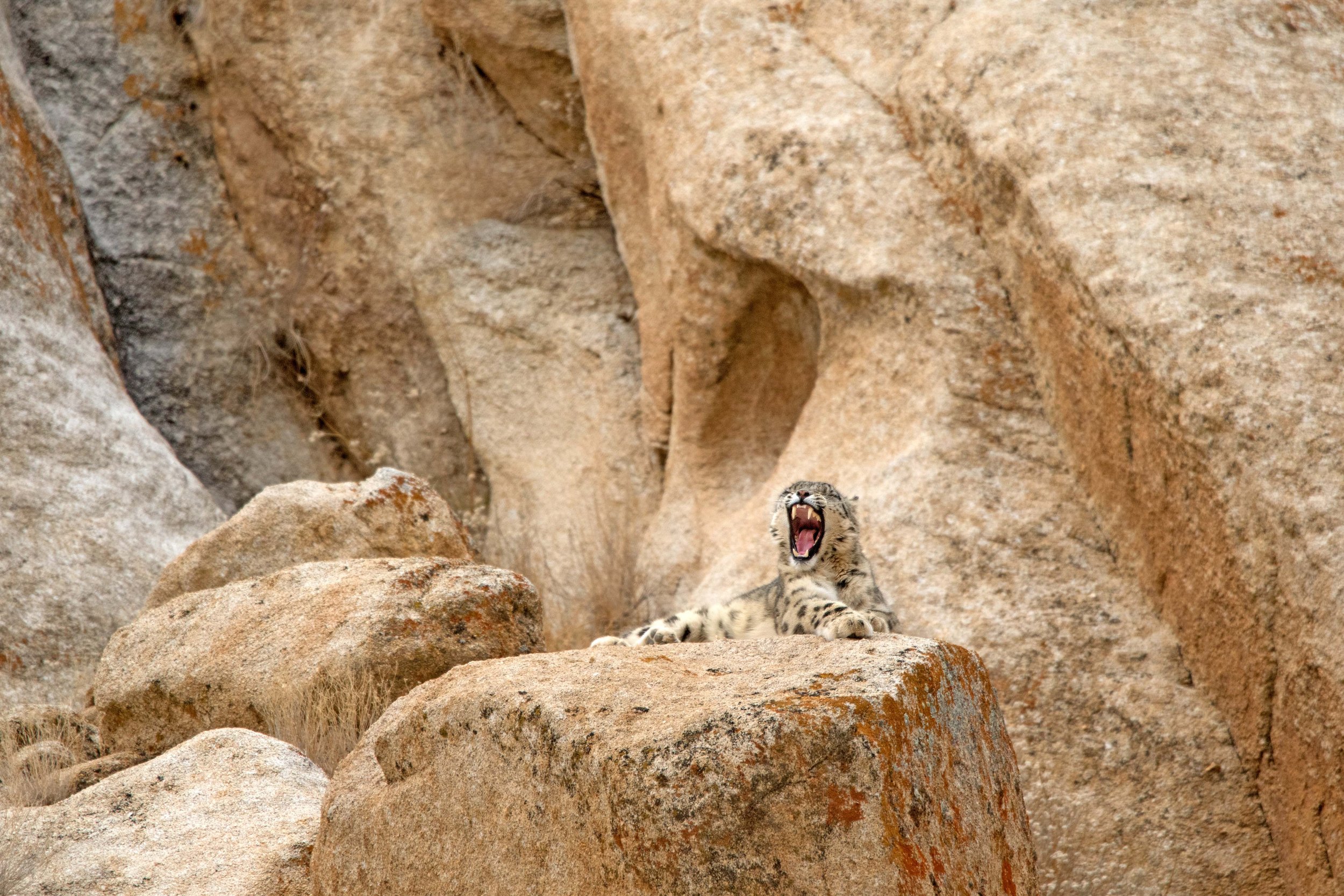
Ask someone about their best trip ever, and they rarely describe the thread count. They describe a moment: the guide who spotted movement in the brush before anyone else saw it, the conversation with a local scientist that changed how they think about the planet, the silence of a place with no light pollution and no other visitors for miles.
Those moments aren't purchasable in the traditional sense. They're the product of access of relationships, trust, and years of on-the-ground partnership. That's the kind of luxury that doesn't fade the way a tan does.
Redefining What "Extraordinary" Means
We're not arguing against comfort. Every TerraFauna journey includes refined lodges, thoughtful details, and genuine ease because depth and comfort aren't actually in competition with each other. What we're arguing against is the idea that comfort is the luxury.
The real luxury is rarity: the rare privilege of being let into a place, a community, and a conservation effort that most travelers will never get close to. That's what access over excess means not less indulgence, but a completely different definition of what's worth indulging in. Because, if we don’t start to care more out these places they will be lost.
Ready to experience travel built on access, not excess?