
Namibia's Dark Skies: Inside One of the World's Last Great Dark Sky Frontiers
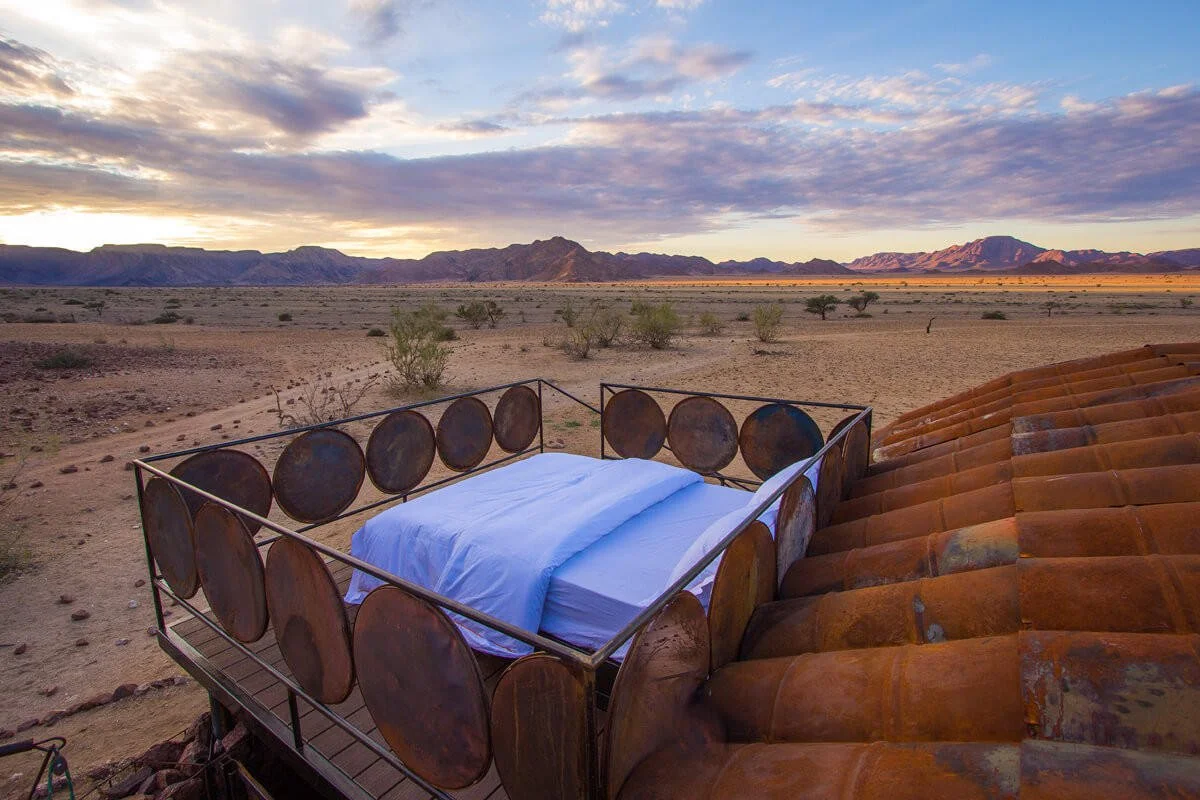
Picture this: you're lying on a star bed perched on the rooftop of your desert tent, the Namib's red dunes cooling around you, and above you stretches a sky so thick with stars that the Milky Way casts a faint shadow across the sand. No city glow. No haze. Just darkness and within it, more stars than most of us will ever see in a lifetime.
This isn't a fantasy. It's a real, bookable night in Namibia, one of the last places on Earth where true darkness still exists.
What Is a Dark Sky, and Why Is It Disappearing?
Most of us have forgotten what a night sky actually looks like. According to DarkSky International, the leading global authority on the subject, light pollution is the human-made alteration of outdoor light levels from those occurring naturally. It's not just an inconvenience for stargazers, DarkSky's research shows that artificial light at night disrupts wildlife behavior and migration, harms human health and sleep, wastes enormous amounts of energy, contributes to climate change, and is steadily erasing our view of the universe.
For roughly 80% of people in North America and Europe, the Milky Way is no longer visible from home. That's what makes a handful of remaining dark sky destinations so extraordinary and why protecting them matters so much.
Namibia: One of the Last Great Dark Sky Frontiers
If light pollution is a slow erasure of the night, Namibia is its opposite: a vast, sparsely populated country where the absence of artificial light has been preserved almost by accident — and now, intentionally protected.
At the heart of this is the NamibRand Nature Reserve, a 200,000-hectare private reserve in southern Namibia and one of the world's most celebrated dark sky destinations. With virtually no light pollution for hundreds of miles, NamibRand offers visibility so clear that the Milky Way appears as a dense, textured band rather than a faint smudge, and the southern hemisphere's iconic constellations, the Southern Cross, the Magellanic Clouds, are visible without a telescope.
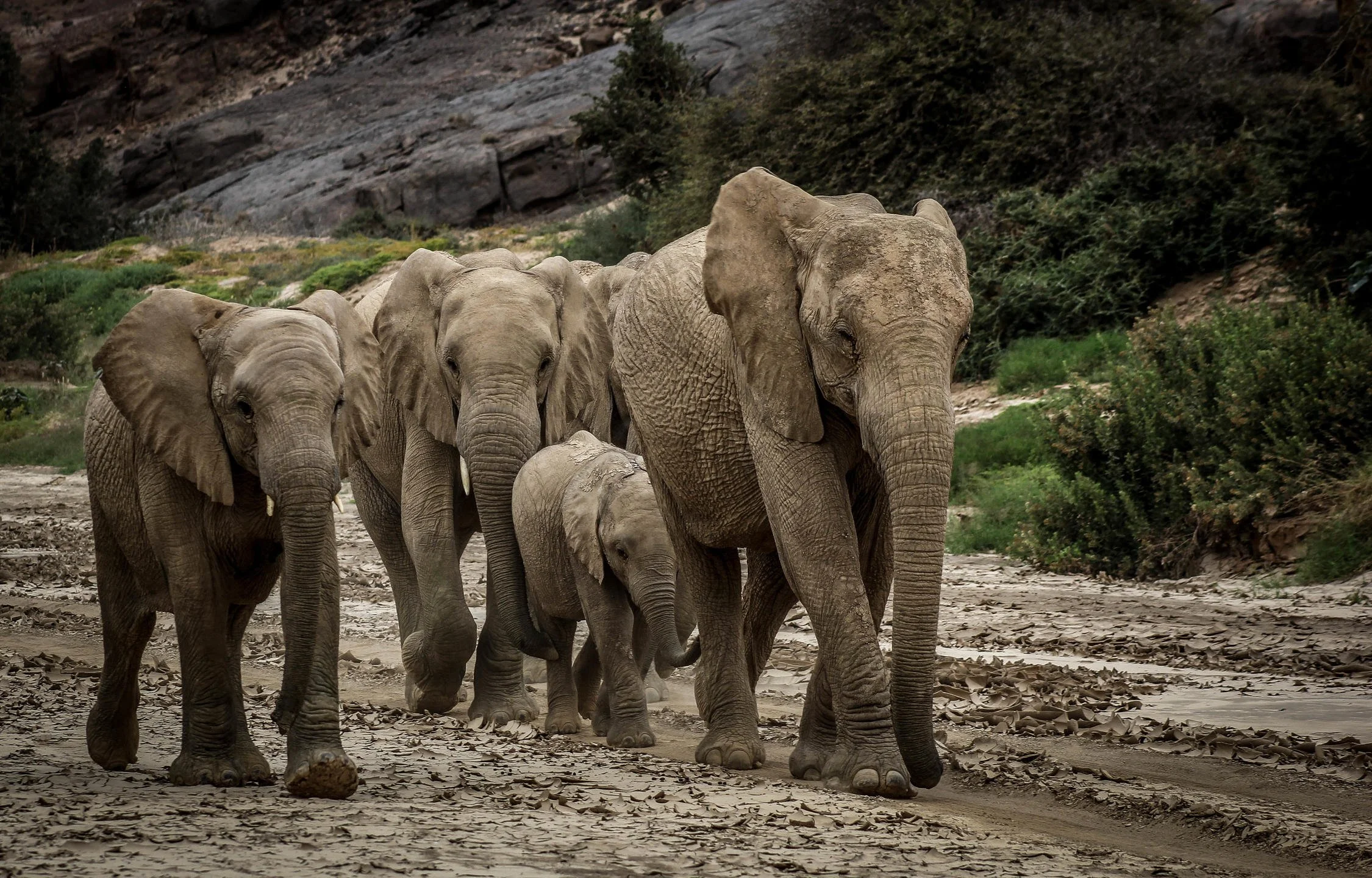
But Namibia's dark sky story isn't only about astronomy. It's deeply tied to wildlife. Many of the country's most fascinating species — desert-adapted elephants, black rhino, leopard, and a host of nocturnal predators — are most active after dusk. Darkness isn't a backdrop here; it's an ecosystem. Protecting the night protects the animals that depend on it to hunt, navigate, and survive in one of the harshest landscapes on the planet.
Where Wildlife and Wonder Meet After Dark
What makes Namibia genuinely special is how seamlessly its dark skies and its wildlife experiences are woven together. Spend your days tracking desert-adapted black rhino on foot in Damaraland or watching elephants move along ancient, unfenced river systems, and your evenings could include:
Waterhole watching at twilight, as elephant and rhino emerge from the darkness to drink in the stillness of night near Etosha National Park
Fireside conversations about nocturnal predator behavior and the role darkness plays in conservation research
Guided stargazing sessions in NamibRand, where local dark sky wardens explain why this particular stretch of desert remains so important to protect
Sleeping under the stars in an open-air star bed, with nothing but canvas and sky between you and the Milky Way
This is the rare kind of travel that asks you to slow down to notice not just what's in front of you during the day, but what reveals itself only once the sun goes down.
How to Experience Namibia's Dark Skies the Right Way
Seeing a dark sky is one thing. Understanding it is another. That's the idea behind TerraFauna Journeys' Namibia Safari Reimagined — a 15-day small-group journey (capped at just 10 travelers) that moves through Etosha National Park, the rugged wilderness of Damaraland, the towering dunes of Sossusvlei, and three nights deep in the NamibRand Nature Reserve.
What sets it apart is who joins the journey: Megan Eaves-Egenes, a Lowell Thomas Award–winning travel writer, editor of DarkSky International's Nightscape magazine, and founder of Dark Sky London. Throughout the trip, Megan guides conversations about light pollution, nocturnal ecosystems, and why darkness itself deserves the same protection we give to forests, reefs, and rivers.
Travelers on this journey also track endangered black rhino with Save the Rhino Trust, visit the AfriCat Foundation's carnivore conservation work, and stay at locally rooted camps and reserves — including Wolwedans Dune Camp in NamibRand where tourism revenue directly funds land protection and community livelihoods.
It's a safari built around a simple, powerful idea: that the night sky is not just something to admire, but something worth fighting for.
Why Dark Sky Travel Matters Now
Every year, the world's naturally dark places shrink a little further. DarkSky International notes that light pollution is increasing faster than population growth in many regions, pushing true darkness into smaller and smaller pockets of the globe. Places like NamibRand aren't just beautiful they're becoming rare.
Traveling to see them isn't just a bucket-list experience. It's a way of supporting the reserves, conservancies, and local communities working to keep these skies dark, and a chance to understand firsthand what we stand to lose if we don't.
So if you've never seen the Milky Way arch fully across the sky, or watched an elephant appear silently out of the darkness at a desert waterhole, Namibia is waiting. And it's waiting under some of the last truly dark skies left on Earth.
Ready to see it for yourself?
Explore the full 15-day itinerary for Namibia Safari Reimagined: Desert, Wildlife & Night Skies, departing February 27 – March 13, 2027, with TerraFauna Journeys.