
When the Condors Returned: A Rewilding Story from Patagonia National Park
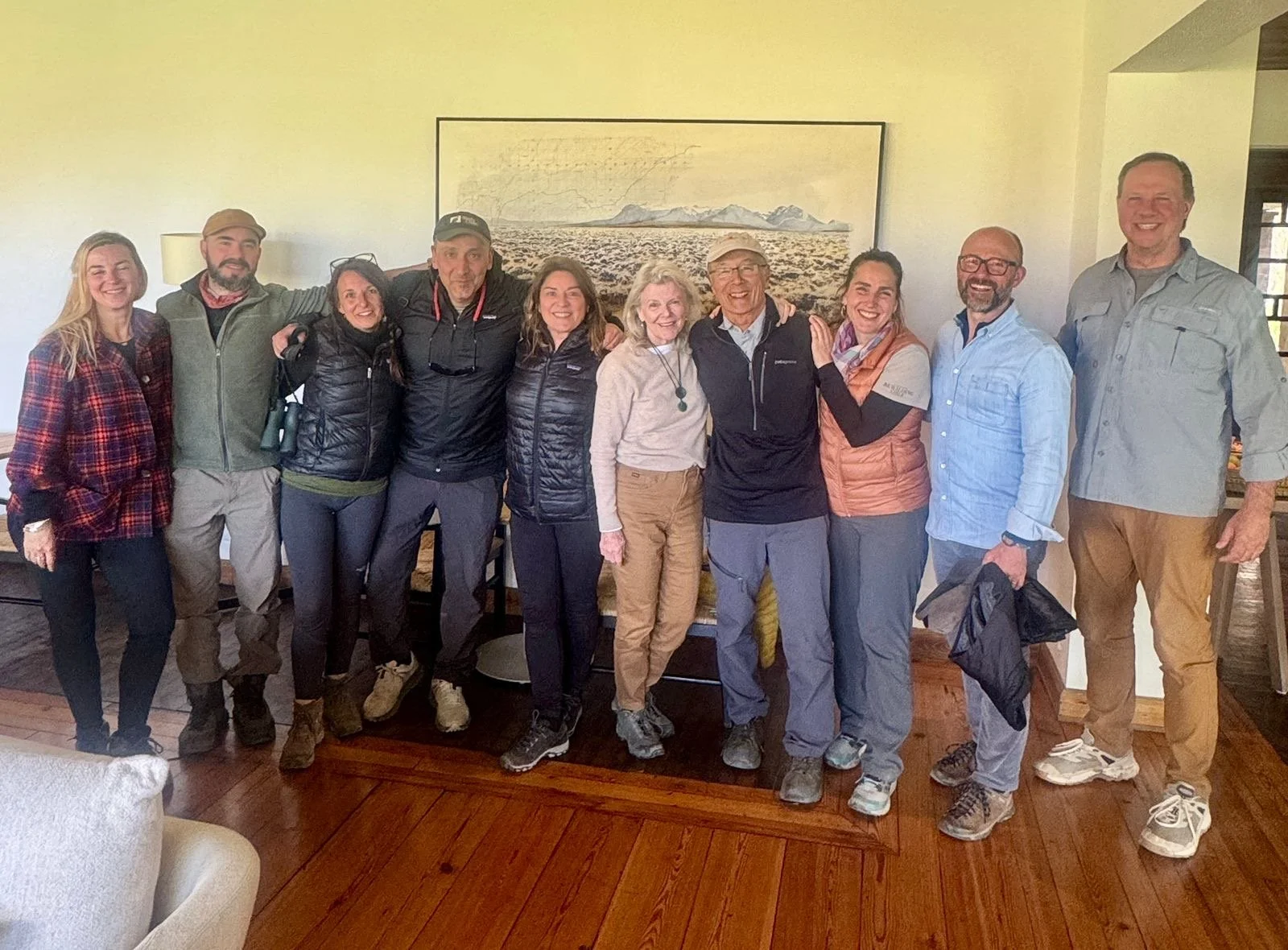
Our group after lunch in the Patagonia National Park visitors center.
There are days in life that quietly reshape how you see the world.
For me, one of those days happened in southern Chile inside Patagonia National Park.
It was early afternoon by the time we arrived at the park. The Patagonian wind was sweeping across the wide valleys as our vehicle pulled in. Waiting for us were rangers from Rewilding Chile, who greeted us warmly before ushering us into a small caravan of four-wheel-drive vehicles.
Within minutes we were winding deeper into the park, traveling in convoy across the open landscape.
At the time, we weren’t entirely sure what was about to happen.
Eventually the vehicles stopped. We stepped out into the wind and began hiking up a gentle rise. As we reached the top, the scene came into view.
A small group of scientists, rangers, and conservationists had gathered near a simple enclosure.
Nearby sat several transport cages.
Inside them were three Andean condors.
Meeting the People Rewilding Patagonia
Among the group were the remarkable people behind the rewilding of Patagonia, including Kristine Tompkins of Tompkins Conservation and her dear friend Carolina Morgado the Executive Director of Rewildling Chile.
Kris now leads Tompkins Conservation, the conservation organization she built alongside her late husband, Douglas Tompkins. Together they helped protect and restore millions of acres of wilderness across Chile and Argentina, ultimately donating vast landscapes that would become national parks. Making it one of the greatest conservation stories of all time.
But protecting land is only the beginning.
Rewilding is about restoring ecosystems and bringing life back.
Standing Among the Voices of Conservation
Meeting Kris that day carried a deeper weight for me.
Just weeks earlier, the world had said goodbye to Jane Goodall on October 1, 2025. For decades, Jane’s voice helped awaken the world to the intelligence of animals, the urgency of conservation, and our responsibility to the natural world. Like so many others, her work shaped how I understand our relationship with wildlife and the planet.
Standing there in Patagonia, watching condors prepare to return to the sky, it struck me how powerful it is when women step forward to speak for the Earth. Kris has spent decades doing exactly that. Through her work with Tompkins Conservation and alongside the incredible team at Rewilding Chile, she has helped protect and restore vast landscapes and wildlife populations across Patagonia. To meet someone who has dedicated her life to defending wild places—so soon after the passing of another extraordinary woman who helped change the way the world sees wildlife—felt profoundly meaningful.
In that moment, standing in the wind-swept valleys of Patagonia, it felt like witnessing the continuation of a lineage: women who have chosen to speak for the planet and fight for the wild.
And then, the cages opened.
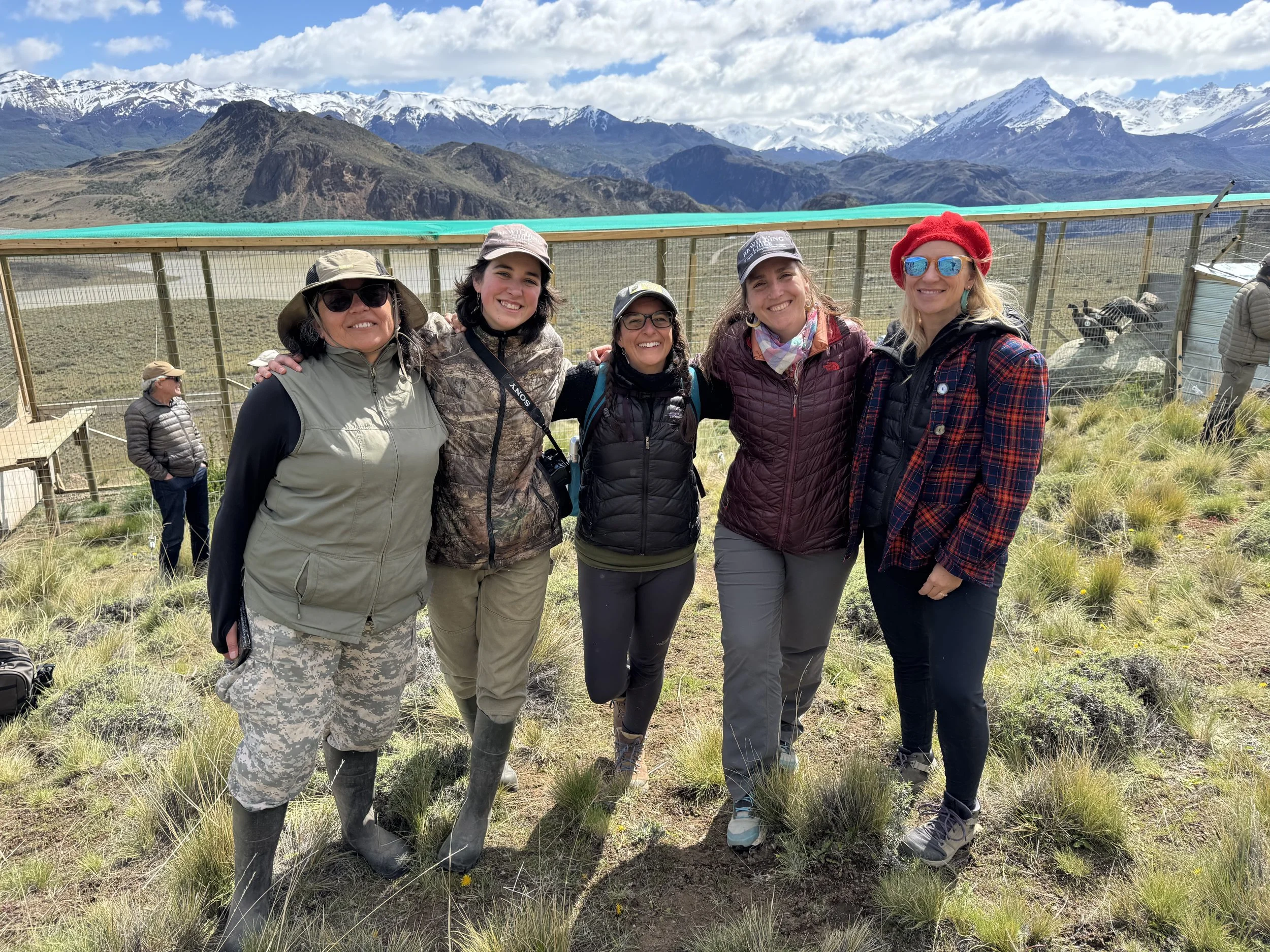
Women across the conservation spectrum from working in the field, to curating conservation focused trips to supporting the efforts of Rewildling Chile.
The Moment the Condors Spread Their Wings
The Andean condor is one of the largest flying birds on Earth, with a wingspan that can stretch over ten feet. Revered across the Andes, condors are powerful symbols of freedom and ecological balance. Yet across parts of Patagonia their populations had declined due to poisoning, habitat loss, and human conflict.
The birds before us had been rescued, rehabilitated, and carefully prepared for release.
The rangers and scientists worked quietly as they positioned the cages. Conversations faded. Cameras lowered.
Then the door of the first crate opened.
For a moment the condor stood still, feeling the wind.
Then its wings unfolded.
Massive and powerful.
Then second bird followed.
Then the third.
Three condors returned to the Patagonian Steppe.
For several moments, no one spoke. Some people wiped away tears.
Standing there in that vast landscape, surrounded by people who have dedicated their lives to restoring it, I felt something difficult to describe. Hope.
A Conversation I Will Never Forget
After the release, I had the opportunity to speak with Kris directly.
I asked her a question that had been on my mind. As someone building TerraFauna Journeys with the hope of helping fund conservation and inspire travelers to care more deeply about the natural world, I wanted to know what advice she might give.
Her answer came without hesitation.
“You gotta fight like hell.”
She didn’t say it dramatically. She said it simply and honestly.
Because restoring wild places is not easy work. It requires persistence, resilience, and people willing to keep showing up year after year.
Watching those condors step into the Patagonian landscape and feel the wind under their wings, her words felt less like advice and more like a call to action.
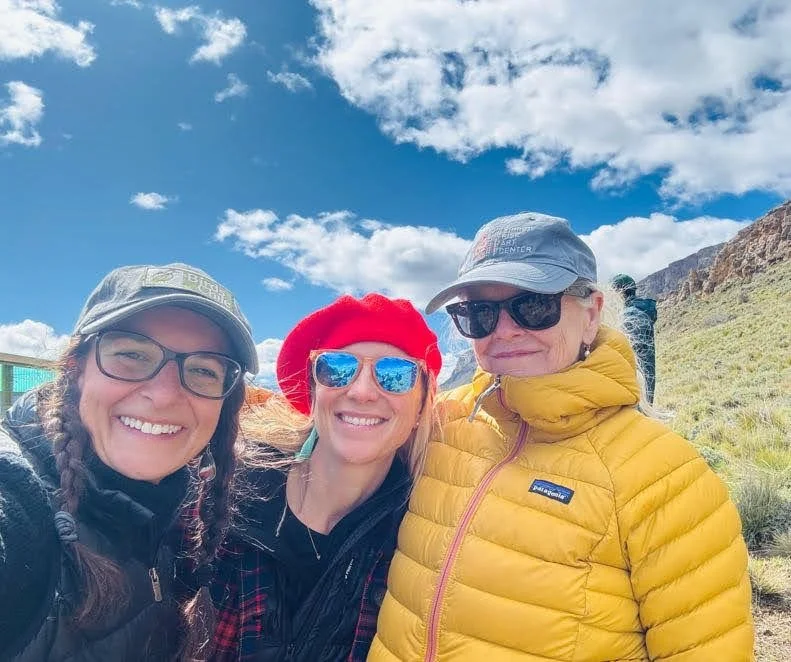
After the release, Lana Byal from Elevate Destinations and myself talking with Kristine Tompkins about the importance of our work.
A Call to the Travel Industry
A few days earlier, I had heard Kris speak at the Adventure Travel World Summit.
Her message stayed with me.
“National parks or protected areas are a luxury now,” she said. “It has to become a point of pride to protect these areas. The adventure tourism industry should be an army to protect the human condition and the non-human world it feeds off of.”
Standing there in Patagonia days later, watching the condors, her words felt even more powerful. Because what she was describing wasn’t theoretical.It was happening right in front of us.
And it reinforced something I believe deeply about travel.
Luxury should not be defined by excess.
At TerraFauna Journeys, we believe luxury is about access.
Access to landscapes most travelers never reach.
Access to the conservationists restoring ecosystems.
Access to stories that change how we see the world.
Access over excess.
Sometimes that access means standing on a windy hillside in Patagonia watching condors return to the sky with the very people making it possible. And with that access comes the transformation within us to do better.
Why This Matters
Moments like this are exactly why TerraFauna Journeys exists. Travel can be beautiful and inspiring. But at its best, it can also become a force for protection.
When travelers step into places like Patagonia and meet the conservationists restoring ecosystems, something shifts. Landscapes stop being distant places on a map and become living systems worth protecting. These are the people we have the privilege of meeting along the way on our journeys. These are the conservation efforts our travelers help support.
Through our Chile’s Patagonia journey, guests spend time with the scientists, rangers, and community leaders helping bring wildlife back to these landscapes.
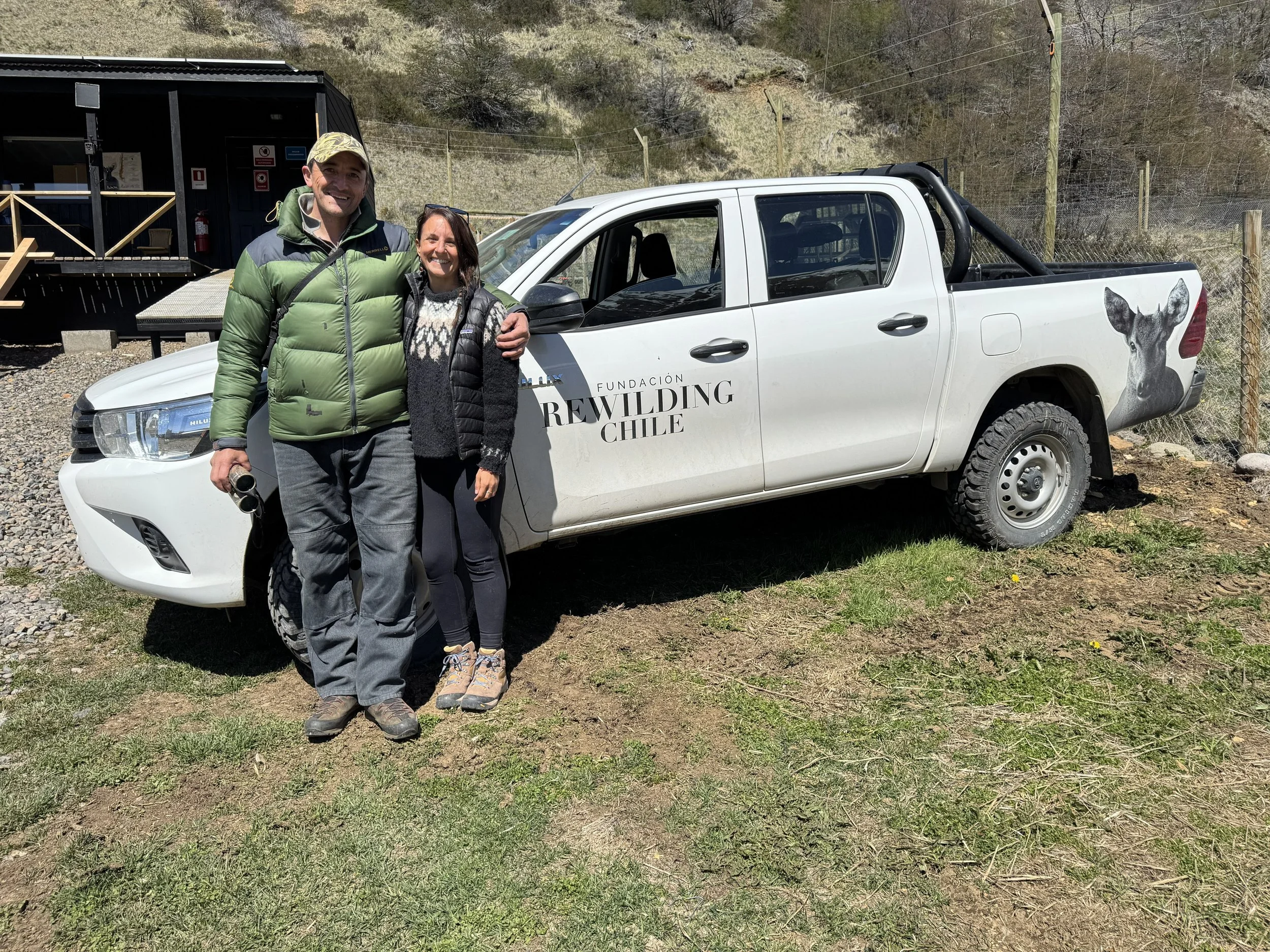
TerraFauna Founder, Ami Jones alongside Luigi Solís, dedicated Ranger from Rewilding Chile.
Walk the Landscape of Rewilding
Our Chile’s Patagonia: From Ancient Forests to the Edge of the World journey explores the extraordinary landscapes of Chilean Patagonia while connecting travelers with the conservationists and communities restoring them all while enjoying the subtle luxuries that we carefully curate. It is a journey into one of the most inspiring rewilding movements on Earth.
Because conservation is not a spectator sport.
And sometimes, as Kris said, it means being willing to fight like hell for the places we love.