
Legado Chile: Wetland Restoration, Conservation, and a New Model for Travel in Chile
Conservation Travel in Chile: Why It Matters
Legado Chile: Wetland Restoration, Conservation, and a New Model for Travel in Chile
Wetlands are among the most important ecosystems on the planet—and one of the most threatened.
Globally, more than 64% of wetlands have been lost due to human activity. In Chile, nearly half have already experienced significant degradation . These ecosystems play a critical role in supporting biodiversity, filtering water, and protecting communities from climate-related impacts.
In southern Chile’s Los Lagos region, this loss is already visible.
Legado Chile is working to change that.
What is Legado Chile?
Legado Chile is a nonprofit conservation organization focused on restoring natural ecosystems while supporting the long-term sustainability of local communities. Their work is centered on reconnecting people with nature and ensuring conservation is both scientifically grounded and community-driven .
Operating primarily in the Los Lagos region—including the ecologically significant Maullín River Basin—Legado Chile works in landscapes recognized for their biodiversity value, including designated Important Bird and Biodiversity Areas and Nature Sanctuaries .
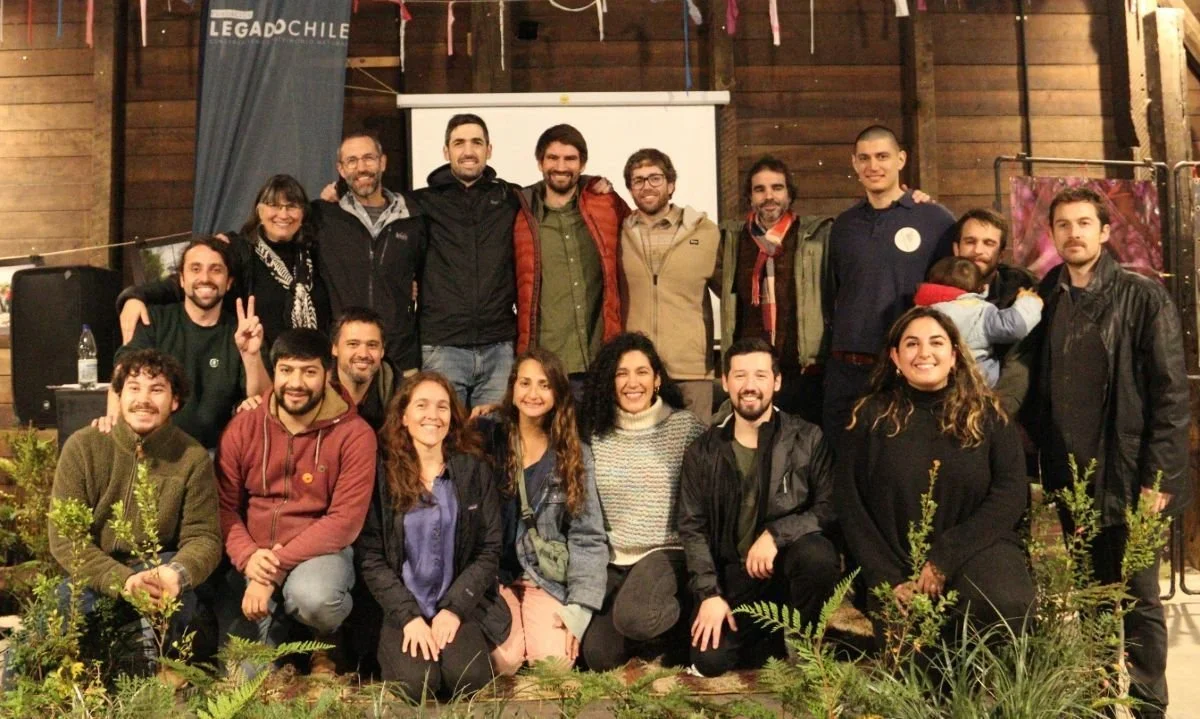
Photo Credit: Legado Chile
Why Wetland Restoration in Chile Matters
Wetlands support nearly 40% of global biodiversity and play a key role in maintaining ecological balance.
In Chile, however, rapid urbanization, pollution, and land-use change have led to widespread wetland loss particularly in regions like Llanquihue, where more than 47% of wetlands have already been impacted .
Without intervention, these ecosystems and the species that depend on them are at risk.
How Legado Chile is Restoring Wetlands
Legado Chile’s conservation model is built on four integrated areas of work:
Ecological Restoration: The organization restores degraded wetlands by reintroducing native vegetation, improving water systems, and rebuilding habitats for local species. Ongoing ecological monitoring ensures that restoration efforts are effective and adaptive.
Scientific Research and Species Protection: Legado Chile conducts research on species of conservation concern, including the Southern River Otter and native amphibians. This work supports data-driven conservation and helps guide long-term ecosystem management.
Environmental Education: Through socio-environmental education programs, Legado Chile engages local communities and students—reaching thousands of participants. These programs aim to build awareness and foster long-term stewardship of natural resources.
Landscape Planning: The organization is also involved in broader conservation planning, including the restoration of the Maullín River corridor as a protected natural space that balances ecological health with public use.
Measurable Conservation Impact
Legado Chile’s work has already delivered tangible results:
Over 5,600 native plants restored
More than 900 tons of waste removed from wetlands
1,800+ volunteers engaged in conservation work
2,500+ children reached through education programs
Multiple conservation and landscape initiatives underway
These outcomes reflect a conservation model that combines ecological restoration with community participation.
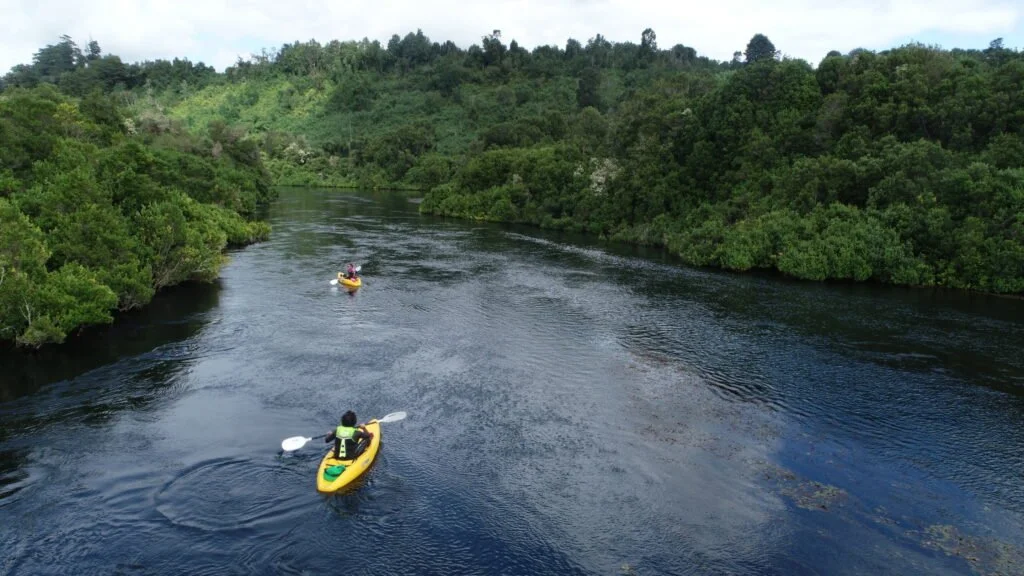
Photo credit: Legado Chile
Sustainable Travel in Chile: A Different Approach
Travel has traditionally been disconnected from conservation outcomes. At TerraFauna Journeys, that model is intentionally different.
OurChile journeyis designed in partnership with organizations like Legado Chile, andRewilding Chile, creating direct connections between travelers and conservation work on the ground.
Rather than observing from a distance, travelers engage with:
Wetland restoration efforts
Local conservation experts and scientists
Community-led environmental initiatives
This approach transforms travel into a tool that supports conservation and local communities.
How Your Travel Supports Conservation in Chile
When you travel with TerraFauna Journeys, your experience directly contributes to ongoing conservation efforts.
Your journey helps support:
Wetland restoration projects
Environmental education programs
Scientific research and biodiversity protection
It also reinforces a broader shift toward responsible tourism—where travel actively contributes to the preservation of the places it depends on.

On our journey you will actively track pumas with professional trackers and scientists in southern Chile.
Explore Chile with Purpose
If you’re looking for sustainable travel in Chile that goes beyond traditional tourism, this journey offers a deeper level of access and impact.
Explore Chile’s Patagonia: From Ancient Forests to the Edge of the World
Scientific Research and Species Protection: Legado Chile conducts research on species of conservation concern, including the Southern River Otter and native amphibians. This work supports data-driven conservation and helps guide long-term ecosystem management.
Environmental Education: Through socio-environmental education programs, Legado Chile engages local communities and students—reaching thousands of participants. These programs aim to build awareness and foster long-term stewardship of natural resources.
Landscape Planning: The organization is also involved in broader conservation planning, including the restoration of the Maullín River corridor as a protected natural space that balances ecological health with public use.
If you’re looking for sustainable travel in Chile that goes beyond traditional tourism, this journey offers a deeper level of access and impact.
Explore Chile’s Patagonia: From Ancient Forests to the Edge of the World
Not ready to book? Start here.
Download the TerraFauna Field Guide to Purpose-Driven Travel and receive a $250 journey credit