
Jaguar Reintroduction in Argentina: How Rewilding Brought the Species Back to Iberá Wetlands
A Species Lost
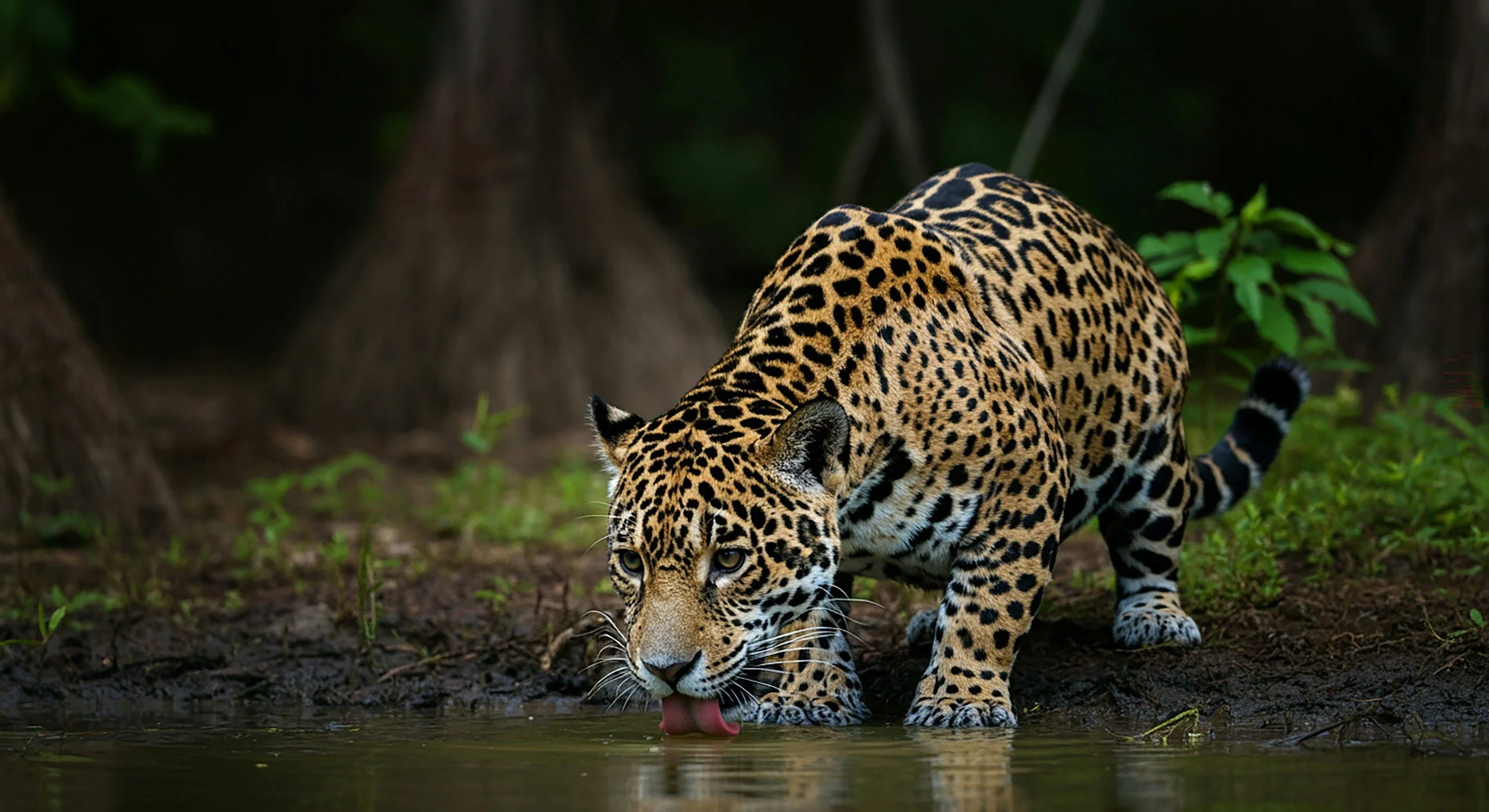
For seventy years, the Esteros del Iberá, the Iberá Wetlands of Corrientes Province, held no jaguars, a species locally wiped out by hunting and habitat loss. Across Argentina, jaguars have lost over 95% of their original range, with only around 200 to 250 individuals surviving in fragmented populations. In a region once shaped by this apex predator, the wetlands had gone quiet.
The Jaguar Reintroduction Center
The turning point traces back to 1997, when Douglas and Kristine Tompkins began the conservation work in Iberá that would grow into Rewilding Argentina's jaguar reintroduction program, anchored by a state-of-the-art breeding facility that became the largest onsite breeding center for felines in the Americas.
On June 6, 2018, two jaguar cubs arrived at Iberá National Park, the first newborns from the program and the first jaguars born in the region in decades. One of them, a female, was named by local schoolchildren: Arami, meaning "Little Sky" in Guaraní, the Indigenous language of the region. Keepers raised her carefully, and remote video cameras let technicians track her development while avoiding direct human contact that would compromise her ability to survive in the wild.
That patience paid off in September 2021, when Arami became the seventh jaguar released from the reintroduction center into the 1.7-million-acre protected wilderness of Iberá, after first proving in a supervised enclosure that she had grown skilled at hunting capybara and wild peccary on her own.
The First Wild Birth in 70 Years
Less than a year later came the moment Rewilding Argentina had spent decades working toward. Camera trap footage in July 2022 revealed the birth of the first jaguars born wild in the Iberá Wetlands in seventy years, the offspring of Arami and Jatobazinho, a rehabilitated wild jaguar from Brazil. A hidden camera confirmed the birth to keepers, who had suspected it based on the mother jaguar's behavior. By the end of that year, twelve jaguars were roaming free across the wetlands.
The population hasn't stopped growing. The program has since expanded into the Gran Chaco, where a wild male jaguar named Qaramta, discovered through his tracks by a park ranger in 2019, has bred with reintroduced females to help diversify the species' gene pool and strengthen jaguar conservation across the country.
The jaguar's return is the headline, but it isn't the whole story. Rewilding Argentina is working to bring back a number of species that play a crucial role in the Iberá ecosystem, including the pampas deer, giant anteater, giant otter, red-and-green macaw, and collared peccary. As the wetlands' apex predator, the jaguar's presence signals something larger: an ecosystem regaining its full structure, top to bottom, and a model of wildlife conservation travel now drawing visitors from around the world.
Seeing the Rewilding in Person
You can see this rewilding story in progress. Our Argentina Rewilded journey brings travelers into the Iberá Wetlands to walk alongside the biologists doing this work, visit ocelot pre-release enclosures, and track GPS-collared maned wolves across the same savanna Arami once explored as a cub. From there, the journey continues to Iguazú Falls, where you'll meet conservation leaders connected to Proyecto Yaguareté, working to protect the jaguar's cousins in the Atlantic Forest. It's sustainable travel in Argentina built around access to the people restoring these ecosystems, not just the landscapes themselves.
Learn more about the organization leading this work at Rewilding Argentina.