
National Park Week 2026: Why National Park Conservation Matters
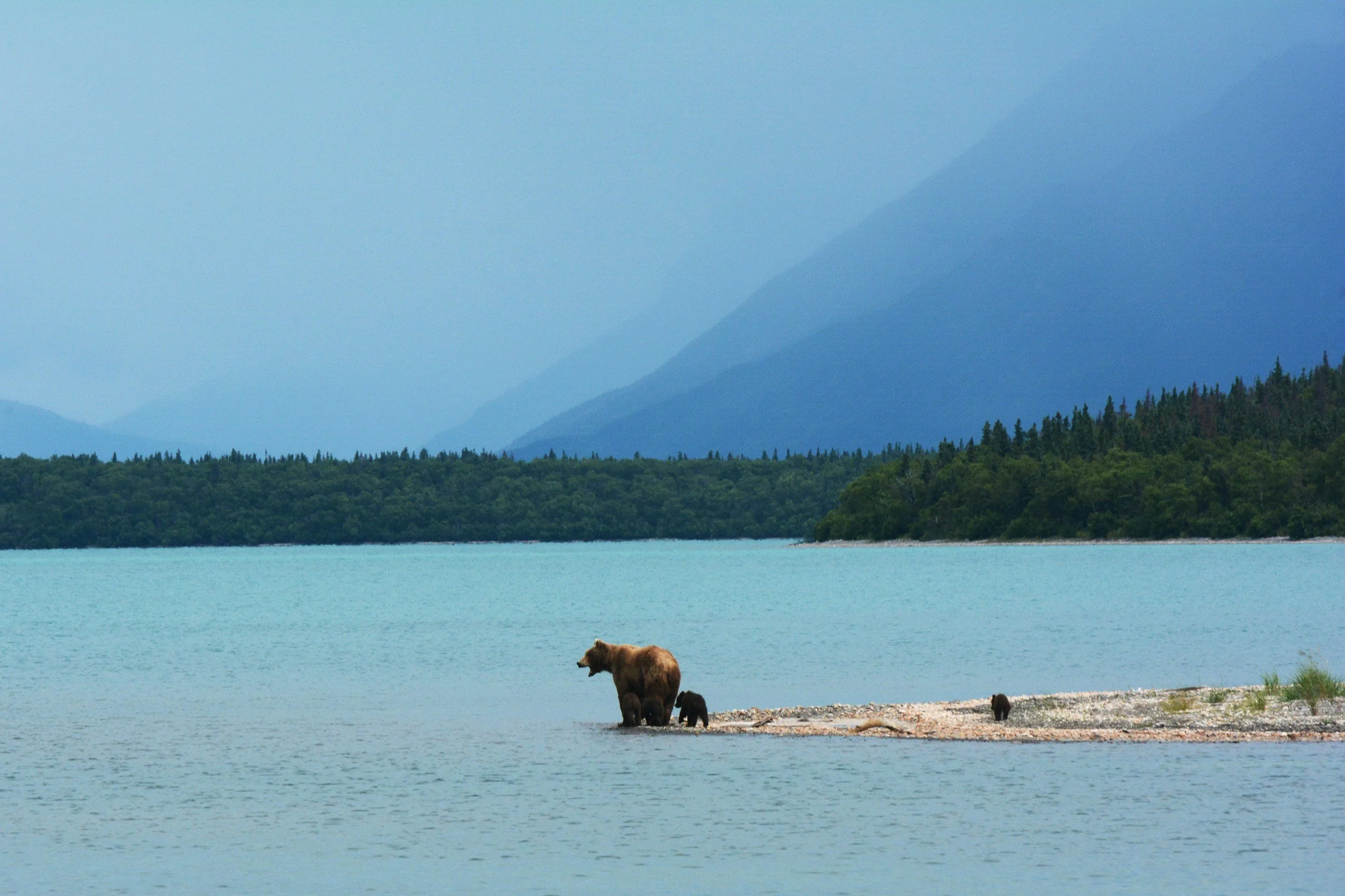
Katmai National Park, Alaska
National Park Week, celebrated this year from August 22 through 30, lands with extra significance in 2026. It coincides with the National Park Service's 110th birthday on August 25 and the 250th anniversary of American independence, giving this year's theme, "Celebrate America's Story," a fitting backdrop. Entrance fees are waived nationwide on August 25, an open invitation to step into the public lands that have shaped the country's landscape and history.
But beyond the free admission days and ranger-led programs, National Park Week is a good moment to ask a bigger question: why does national park conservation matter, and what does it actually take to keep these places intact for the next generation? This year, that question isn't abstract, it's playing out right now in Texas and Utah.
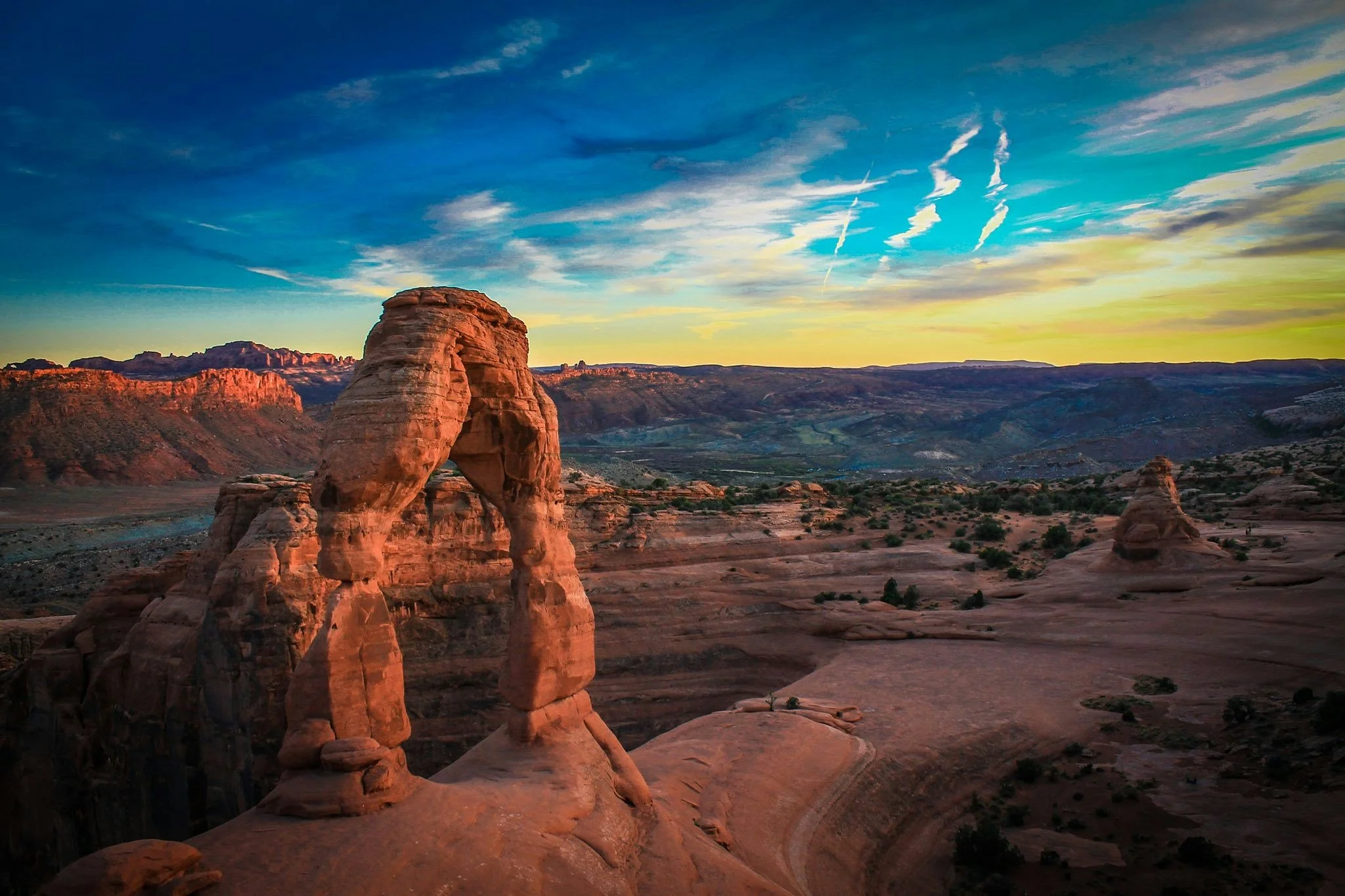
Arches National Park, Utah
More Than Scenery: What's Inside the National Park System
It's easy to picture national parks as postcard backdrops, the sweep of the Grand Canyon, the granite faces of Yosemite, the geysers of Yellowstone. That's part of it, but the National Park System is larger and more varied than the handful of iconic names that usually come to mind. It spans more than 400 units: battlefields, seashores, historic homes, national monuments, trails, and recreation areas, each preserving a different piece of the American story alongside the natural one.
That range matters for public lands conservation. National parks and monuments protect entire ecosystems, watersheds, wildlife migration corridors, old-growth forests, that don't stop at a boundary line but depend on the land inside it staying undeveloped. They preserve the cultural and historical record of Indigenous nations and pivotal moments in American history. And they function as living laboratories, giving scientists some of the only large-scale, long-term data available on how ecosystems change over decades.
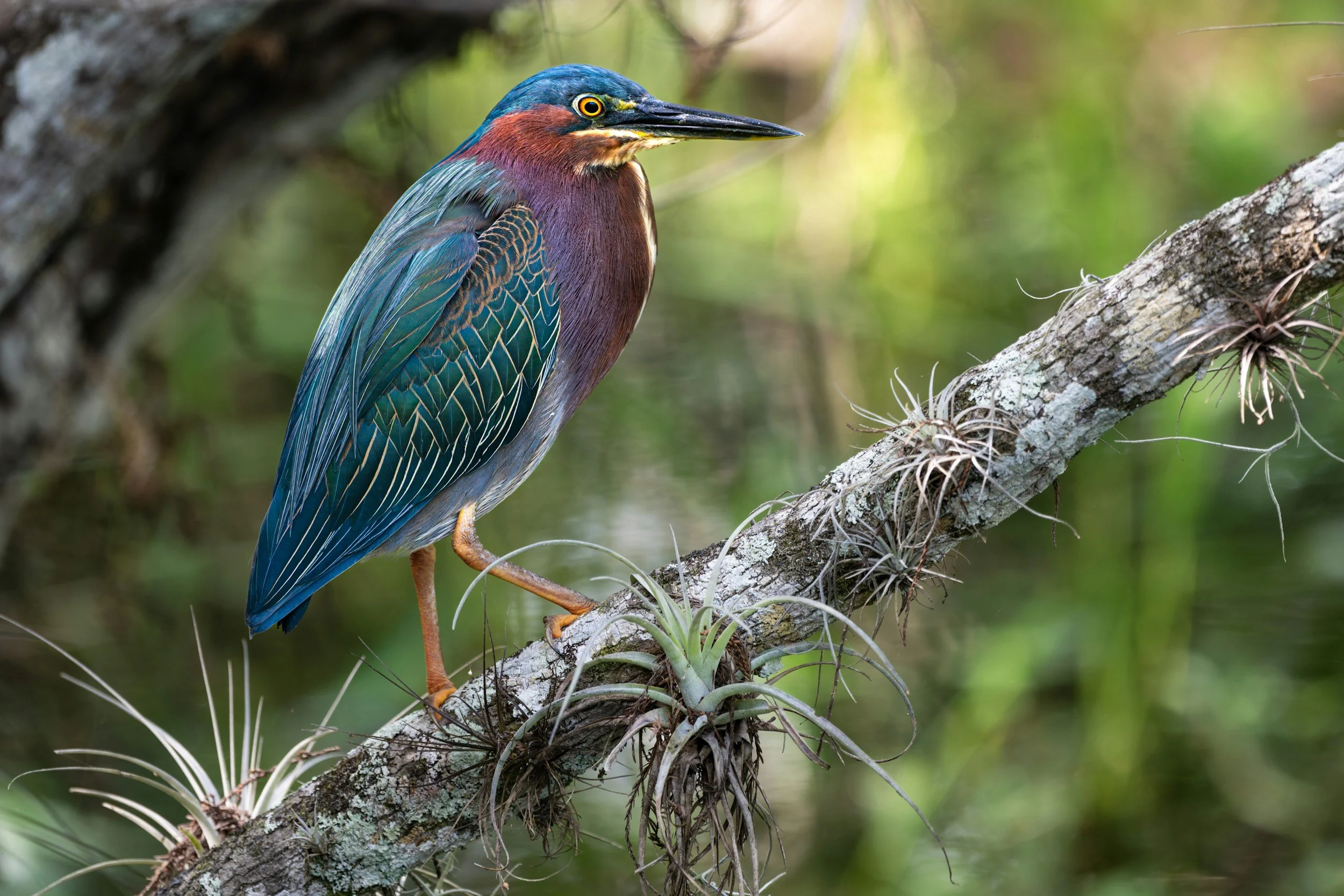
Everglades National Park, Florida
Where National Park Preservation Is Being Tested Right Now
Conservation isn't a settled issue from 1916, when the National Park Service was created. It's an active, contested process. Three places currently illustrate exactly how contested it can get.
Big Bend National Park: Border Infrastructure Construction
In early August 2026, federal contractors working under a Customs and Border Protection contract began bulldozing roads and clearing vegetation near Santa Elena Canyon inside Big Bend National Park, part of a broader border-security infrastructure buildout that also touches nearby Amistad National Recreation Area and Big Bend Ranch State Park. The project, run by a contractor under a multibillion-dollar federal agreement, is one of five border-infrastructure efforts underway in the Big Bend region.
The construction drew swift pushback from conservation groups, birding and dark-sky advocates, and nearby communities like Terlingua, who point to Big Bend's status as one of the least-crossed sections of the entire U.S.-Mexico border and warn that roads and barriers could disrupt wildlife corridors, riparian habitat along the Rio Grande, and some of the darkest night skies in the country. After public outcry, Customs and Border Protection paused construction within the park in mid-August pending a personal visit from the agency's commissioner, though supporters of the project frame it as a necessary investment in border security. The pause is being closely watched as a test of whether the project moves forward, gets redesigned, or is scaled back. CBP is accepting public comment on the related border-barrier project through August 31, 2026.
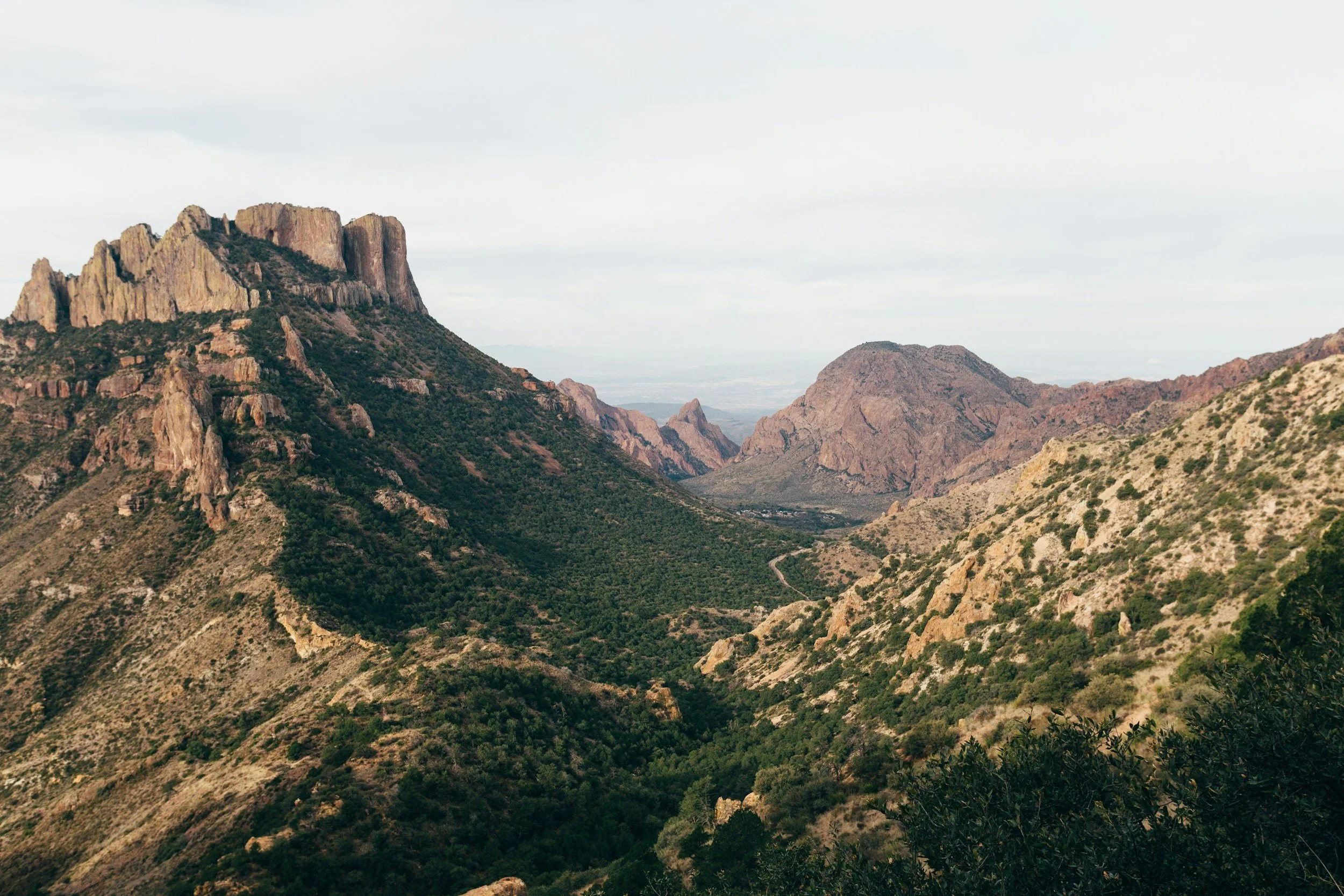
Big Bend National Park, Texas
Grand Staircase-Escalante and Bears Ears: Monument Boundaries Cut Again
In July 2026, the administration signed proclamations reducing Grand Staircase-Escalante National Monument from roughly 1.87 million acres to about 181,500 acres, and Bears Ears National Monument from about 1.36 million acres to roughly 121,100 acres — a combined cut of nearly three million acres, more than 90% of each monument's footprint. It's the second time these two monuments have been reduced by presidential action; both were also shrunk in 2017 before being restored to fuller boundaries in 2021.
The administration's stated rationale is that the Antiquities Act has been applied more broadly than originally intended, and that returning the land to Bureau of Land Management multiple-use status will reopen areas for grazing, energy development, and recreational access. Utah's governor and congressional delegation largely support the move as a matter of local control and economic use of public land.
Opponents, including national conservation organizations, paleontologists who point to the region's dense fossil record, and dark-sky advocates, argue the reductions strip protections from wilderness study areas and could open previously off-limits land to road-building and extraction. The five Tribal Nations of the Bears Ears Commission — the Hopi Tribe, Navajo Nation, Ute Indian Tribe of the Uintah and Ouray Reservation, Ute Mountain Ute Tribe, and Pueblo of Zuni — publicly opposed the Bears Ears reduction, which also dissolved the tribal commission that had co-managed the monument since 2022. For many of these nations, the land contains sacred sites, ancestral villages, and burial and ceremonial grounds that predate the monument designation by centuries.
The proclamations take effect September 11, 2026, but face near-certain legal challenges, and courts could block the reductions before any land changes hands, echoing the multi-year litigation that followed the 2017 cuts to the same two monuments.
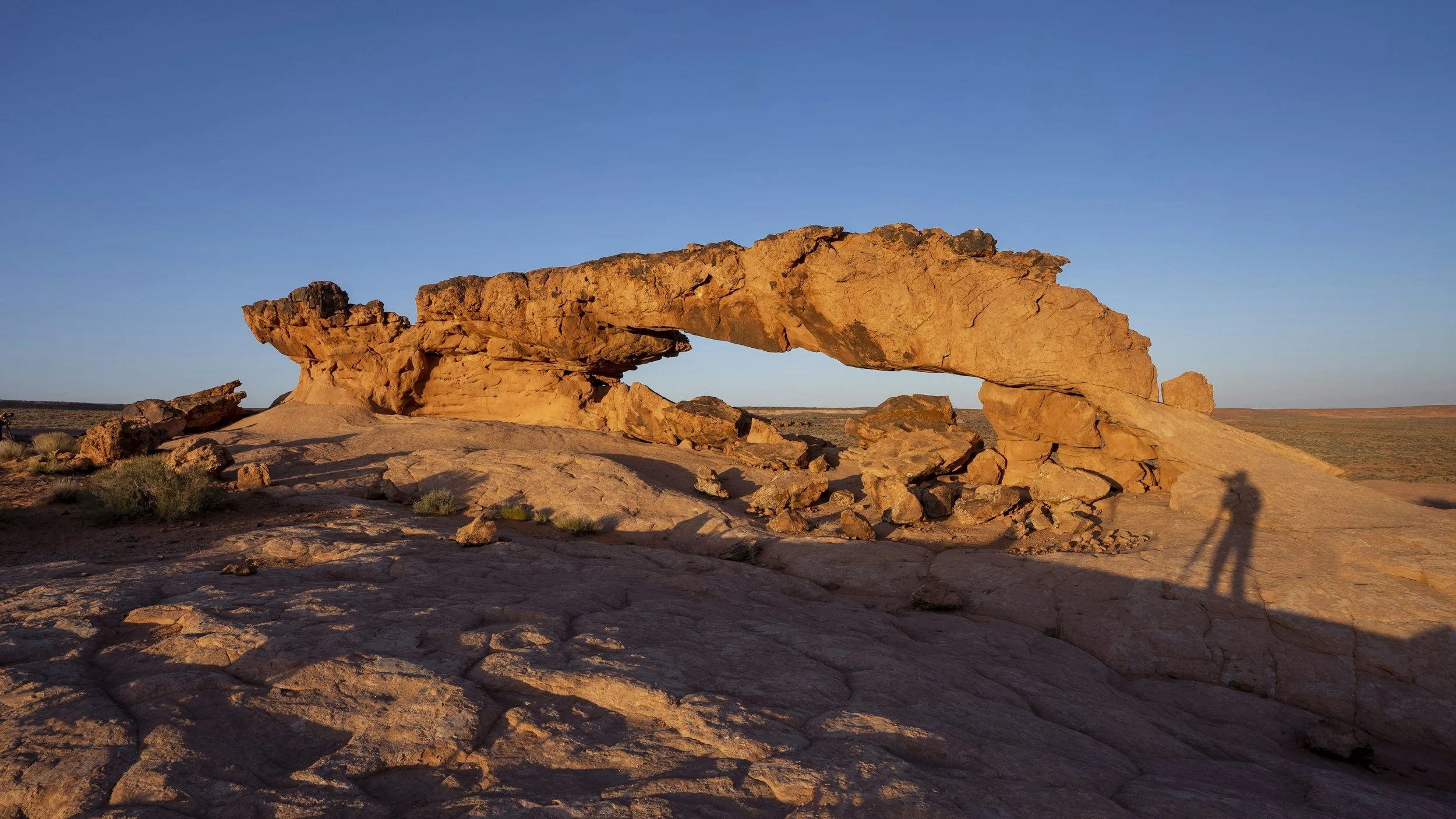
Grand Staircase-Escalante National Monument, Utah
The Throughline: Preservation Requires Ongoing Defense
What Big Bend, Grand Staircase-Escalante, and Bears Ears have in common is a reminder that conservation of national parks and monuments isn't a box that gets checked once. Protected status can be expanded, narrowed, paused, or litigated, sometimes within the same year. The land itself doesn't change; what changes is the level of protection applied to it, and that level depends on sustained public attention, legal advocacy, and political will.
Beyond these headline disputes, parks nationwide face steadier pressures: climate change altering fire seasons and water availability, invasive species reshaping habitats, and record visitation straining trails and aging infrastructure. Prescribed burns, wildlife corridors, water-rights work, and basic maintenance are unglamorous but essential, and none of it happens automatically.
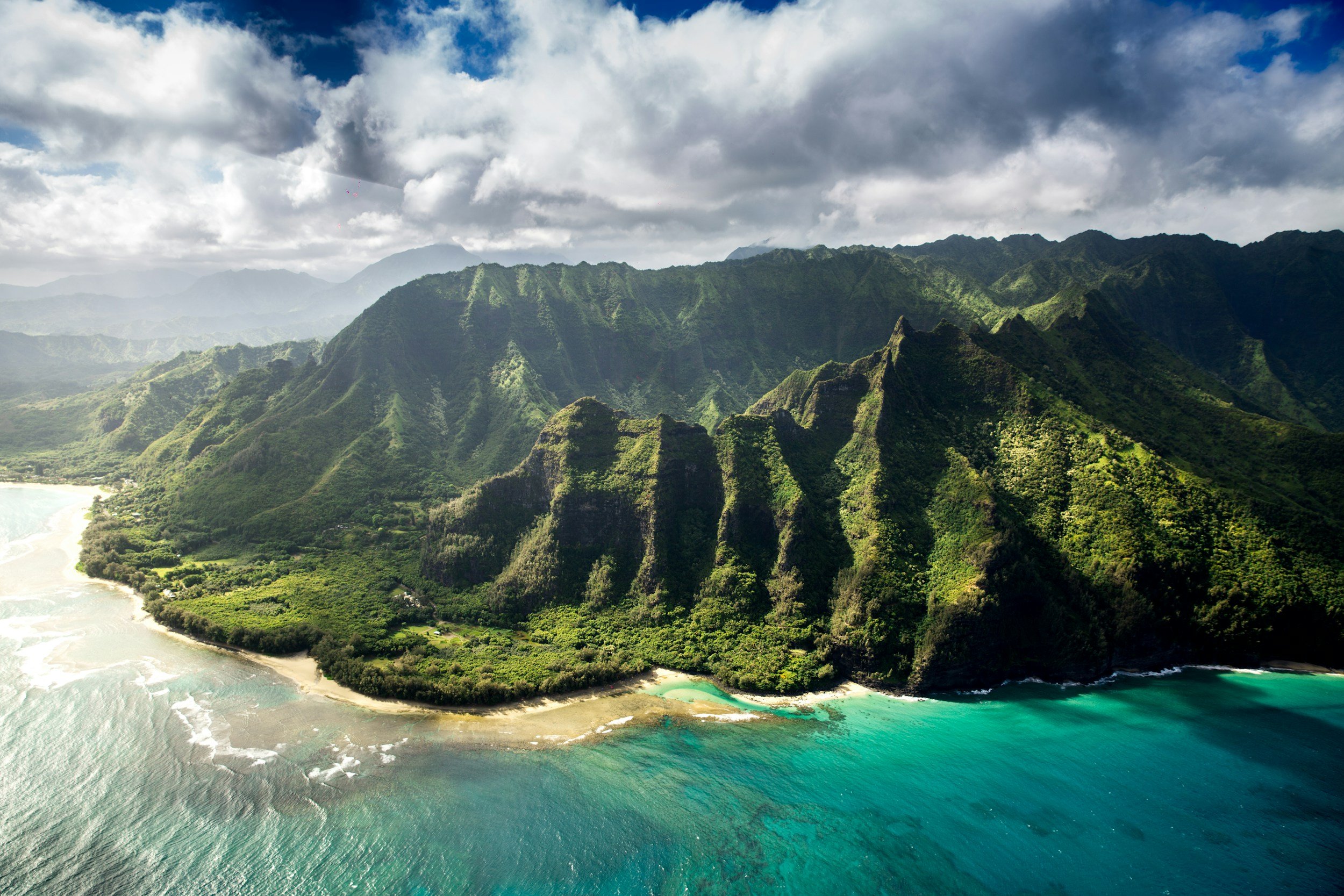
Hawai’i Volcanoes National Park, Hawai’i
Why National Park Conservation Is Everyone's Job
The National Park Service and Bureau of Land Management can't do this work alone, and were never designed to. Volunteer trail crews, citizen science programs tracking wildlife and water quality, public comment periods on projects like the Big Bend border barrier, philanthropic support through groups like the National Park Foundation, and Tribal co-stewardship partnerships all feed into the same system. Visiting during a fee-free week matters too — tourism dollars and public attention both translate into political support for continued protection.
There's also a quieter case for preservation, harder to put a dollar figure on. Time spent in genuinely wild, undeveloped land does something a well-designed city park can't replicate: a reminder of scale and of a landscape still being figured out on its own terms.
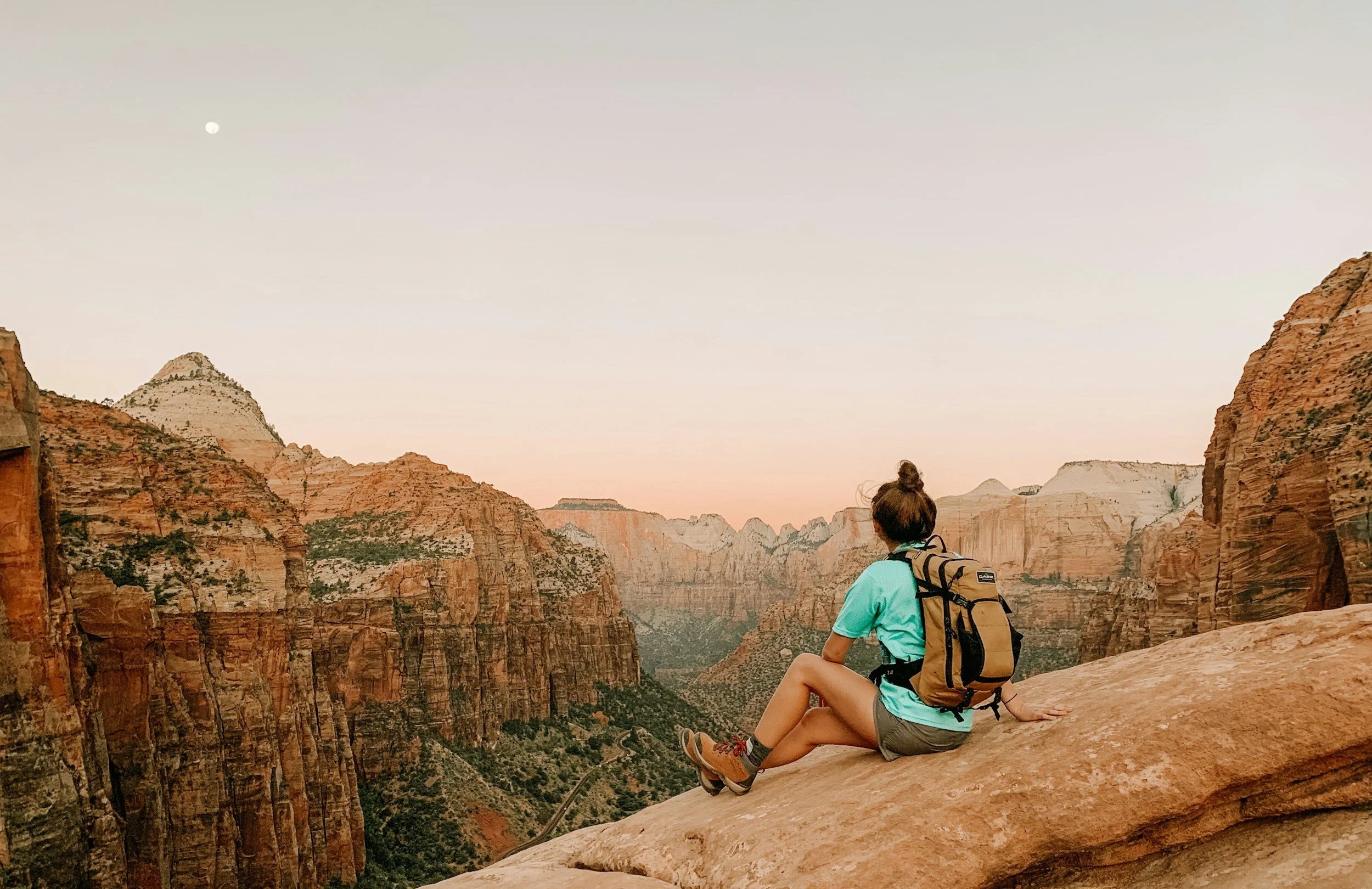
How to Support National Park Preservation This Week
Concern for the parks doesn't have to stay abstract. Here are concrete, doable ways to act on it, whether you have five minutes or a weekend.
Visit
Go during National Park Week. Entrance fees are waived nationwide on August 25, 2026, and many parks run ranger talks, Junior Ranger programs, and evening events all week.
Pick up an America the Beautiful annual pass ($80, with free and discounted options for seniors, military, and fourth-graders). Pass revenue funds recreation and conservation projects directly.
Visit a lesser-known unit. Battlefields, seashores, and historic sites see far less traffic than the marquee parks and benefit disproportionately from visitor attention and spending in gateway communities.
Speak Up
Call or email your senators and House representative. A phone call to a local district office, not just the D.C. line, is quick and gets logged as constituent input. You can find contact info at house.gov and senate.gov.
Submit a formal public comment on active proposals — for example, CBP is accepting comments on the Big Bend border-barrier project (BBT-5) through August 31, 2026, and BLM and NPS regularly open comment periods on monument management plans.
Attend a public hearing or town hall. These are often where local NPS, BLM, or CBP officials directly field community concerns, and turnout matters.
Contact the Department of the Interior or your state's governor's office if a specific park or monument is under debate; state leadership often carries weight in these disputes.
Volunteer
Join a Volunteers-In-Parks (VIP) program. The NPS runs formal volunteer opportunities in trail maintenance, visitor centers, habitat restoration, and campground hosting — search current openings at nps.gov/getinvolved/volunteer.htm.
Sign up with a "Friends of" group for a specific park or monument, or with a regional conservation nonprofit; many run recurring cleanup days, invasive-species removal, and native plant restoration.
Take part in a citizen science project, such as bird counts, water quality monitoring, or wildlife camera surveys, which feed real data into park management decisions.
Give
Donate to the National Park Foundation or a park-specific nonprofit; funds often go toward restoration projects that federal budgets don't fully cover.
Support Tribal-led and regional advocacy organizations working directly on Big Bend, Grand Staircase-Escalante, and Bears Ears, who combine legal advocacy, on-the-ground monitoring, and community organizing.
Consider a workplace giving match if your employer offers one; it can double a donation at no extra cost to you.
Stay Informed
Follow the legal and legislative process, not just the headlines. Monument boundaries and infrastructure projects are frequently decided in courtrooms and comment periods well after the initial news cycle fades.
Subscribe to updates from NPS.gov, your regional BLM office, or a conservation group covering the specific park or monument you care about, so you know when a new comment period or hearing opens.
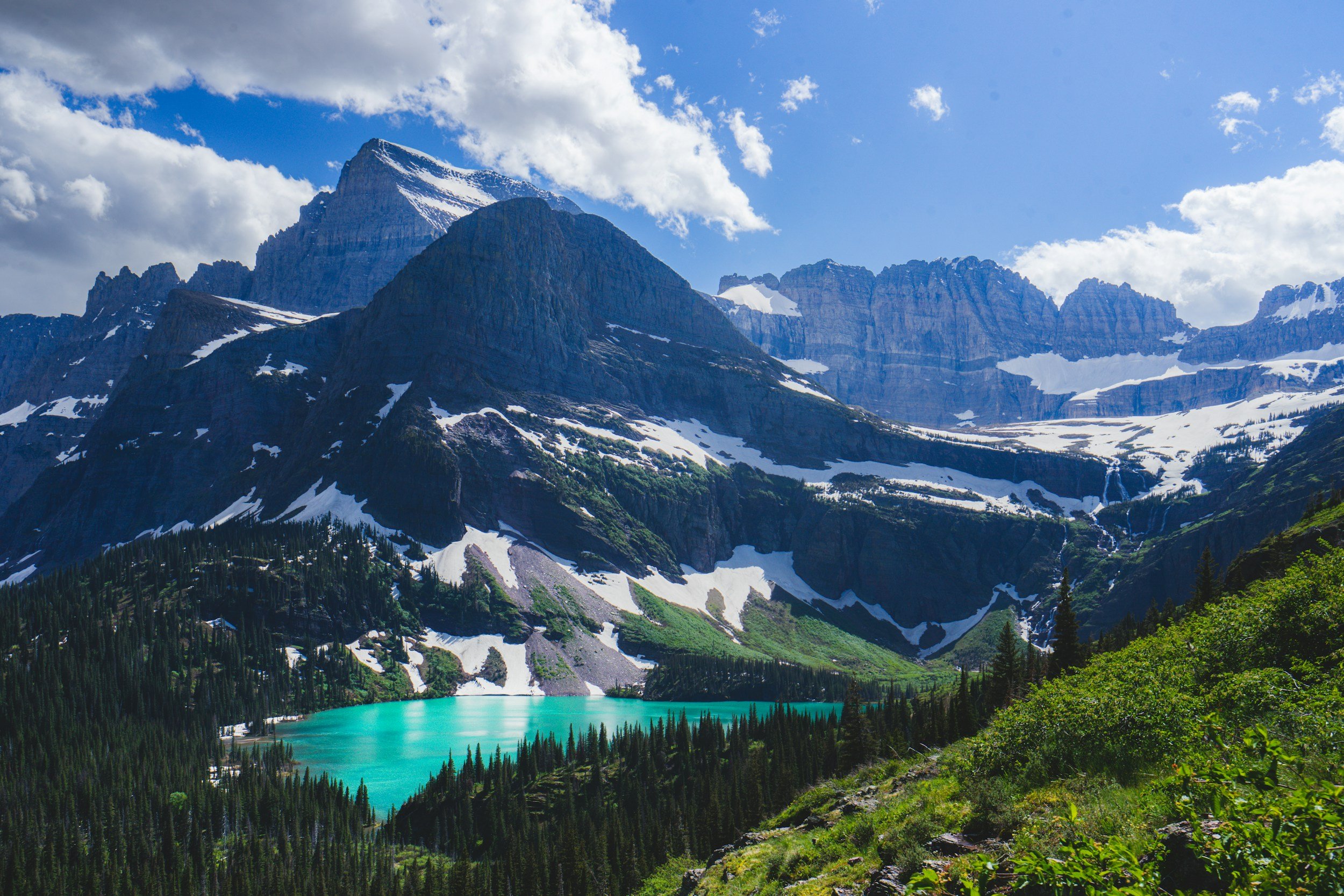
Glacier National Park, Montana
Frequently Asked Questions
When is National Park Week 2026? National Park Week 2026 runs August 22–30, shifted from its traditional April dates to align with the National Park Service's 110th anniversary and the 250th anniversary of American independence.
Is entrance to national parks free during National Park Week? Entrance fees are waived nationwide on August 25, 2026, in honor of the National Park Service's 110th birthday. Not every day of the week is fee-free, so check individual park listings.
What's happening at Big Bend National Park? Border-infrastructure construction, including road-building and land clearing near Santa Elena Canyon, began in August 2026 and was paused mid-month pending further review, amid opposition from conservation groups and local communities.
Why were Grand Staircase-Escalante and Bears Ears reduced? Presidential proclamations signed in July 2026 cut both monuments by more than 90%, reducing federal protection and reopening land to BLM multiple-use management. The changes are set to take effect September 11, 2026, and are expected to face legal challenges.
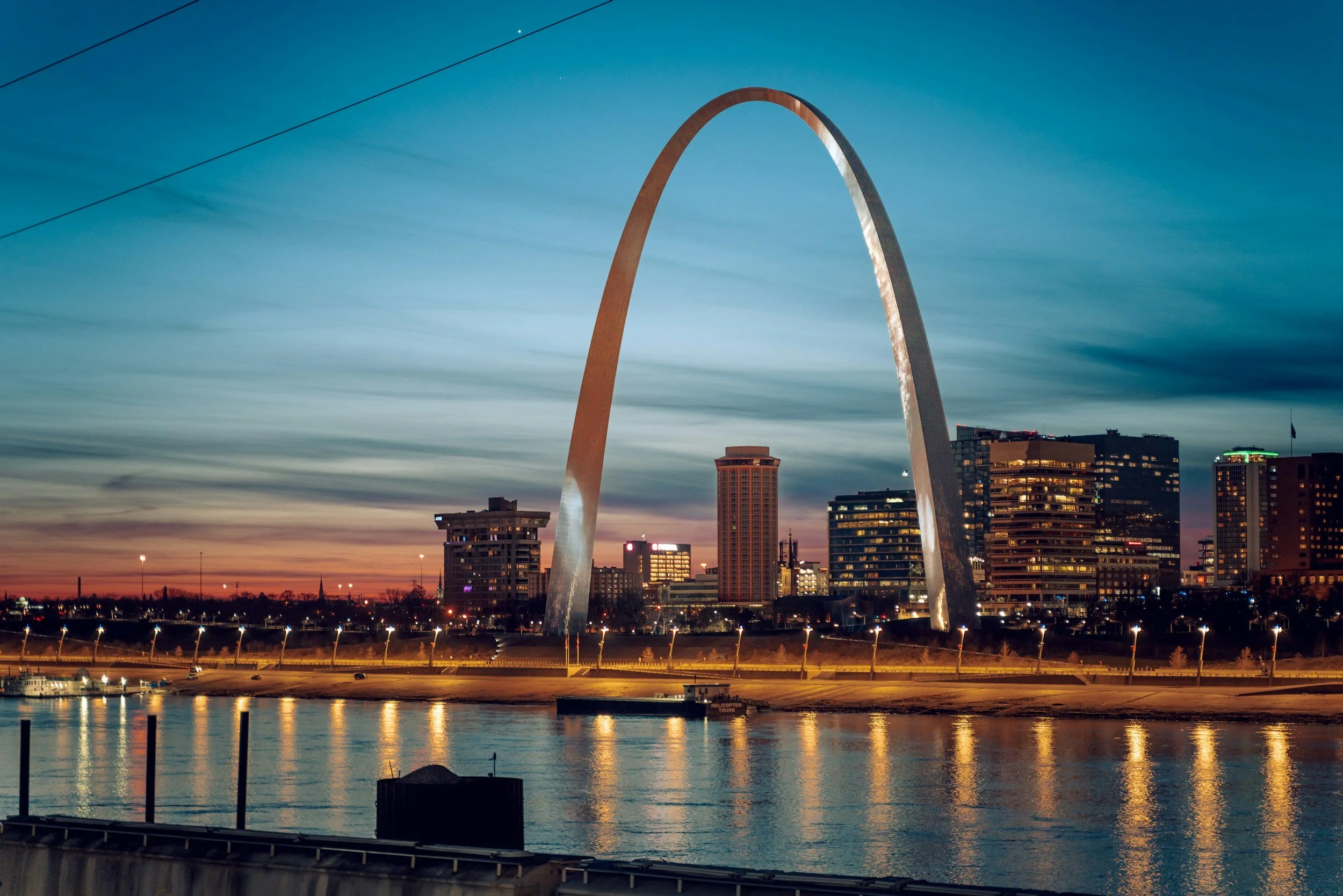
Gateway Arch National Park, Missouri
The Job Isn't Finished
The National Park Service was founded on the idea that some places are worth protecting exactly as they are, for people who haven't been born yet. Big Bend, Grand Staircase-Escalante, and Bears Ears are living proof that this protection has to be actively renewed, defended, and sometimes fought for, not assumed. This week is a good moment to visit, pay attention, and get involved. The story of these places isn't finished, and how it turns out depends on more than the National Park Service alone.
If you would like more stories that focus on conservation content like this we would love for you to follow along.