
How to Pack Like a Conservationist
Your gear choices matter more than you think. A practical guide to packing for wildlife travel where every item in your bag is a small vote for the planet.
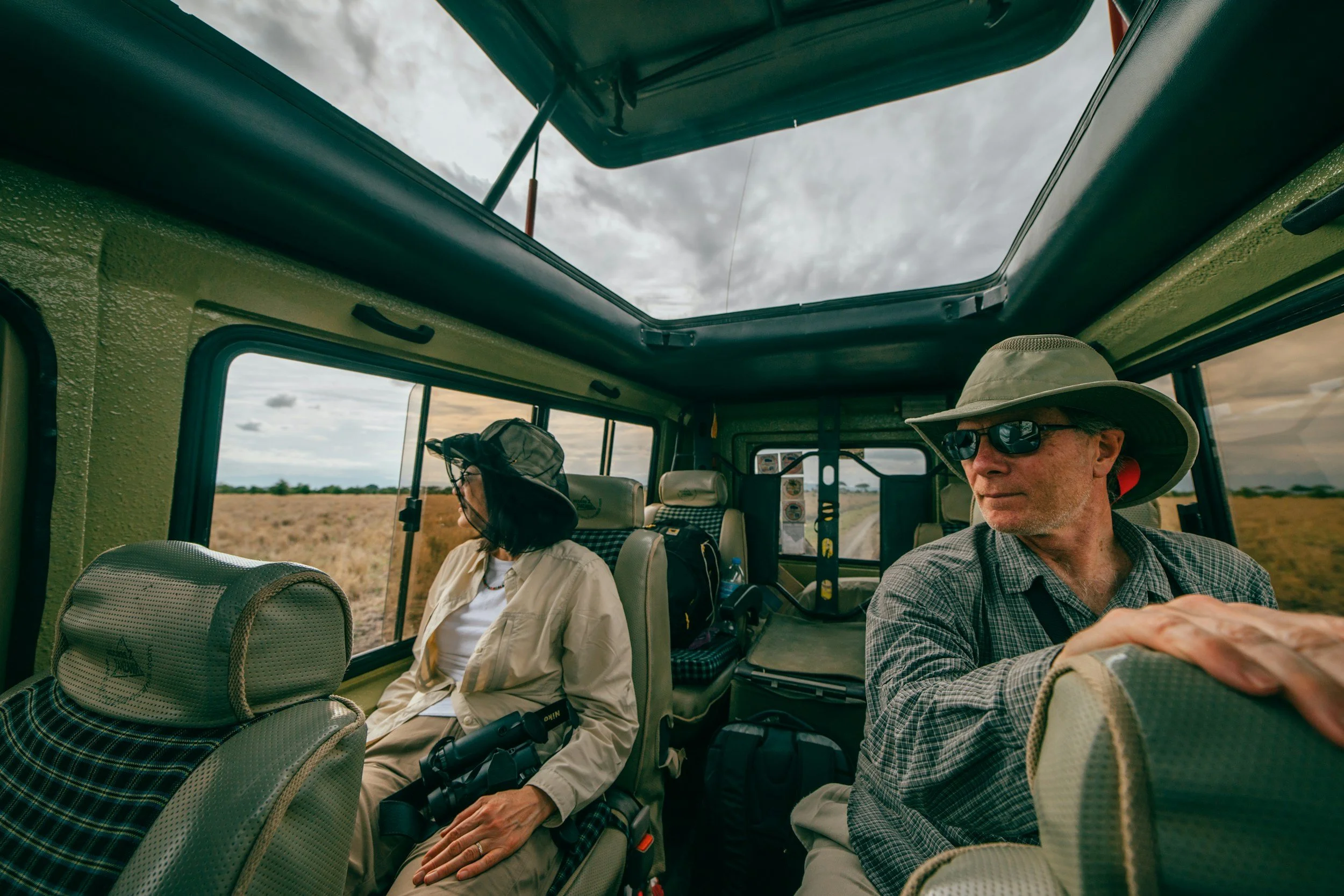
You've booked the journey. You've done the reading. You know why this trip matters. But then you open your suitcase and realize: how you pack is just as much a statement of your values as where you choose to go.
Conservation-focused travel demands a different kind of preparation — not more gear, but smarter gear. Thoughtfully chosen items that protect the places you're visiting, respect the wildlife you're there to observe, and reduce your footprint long after the flight home. This guide walks you through every category, from what to wear into a rainforest to what to leave behind entirely.
"The most sustainable suitcase is the one you've already packed, intentionally."
1. Clothing: earth tones are more than aesthetic
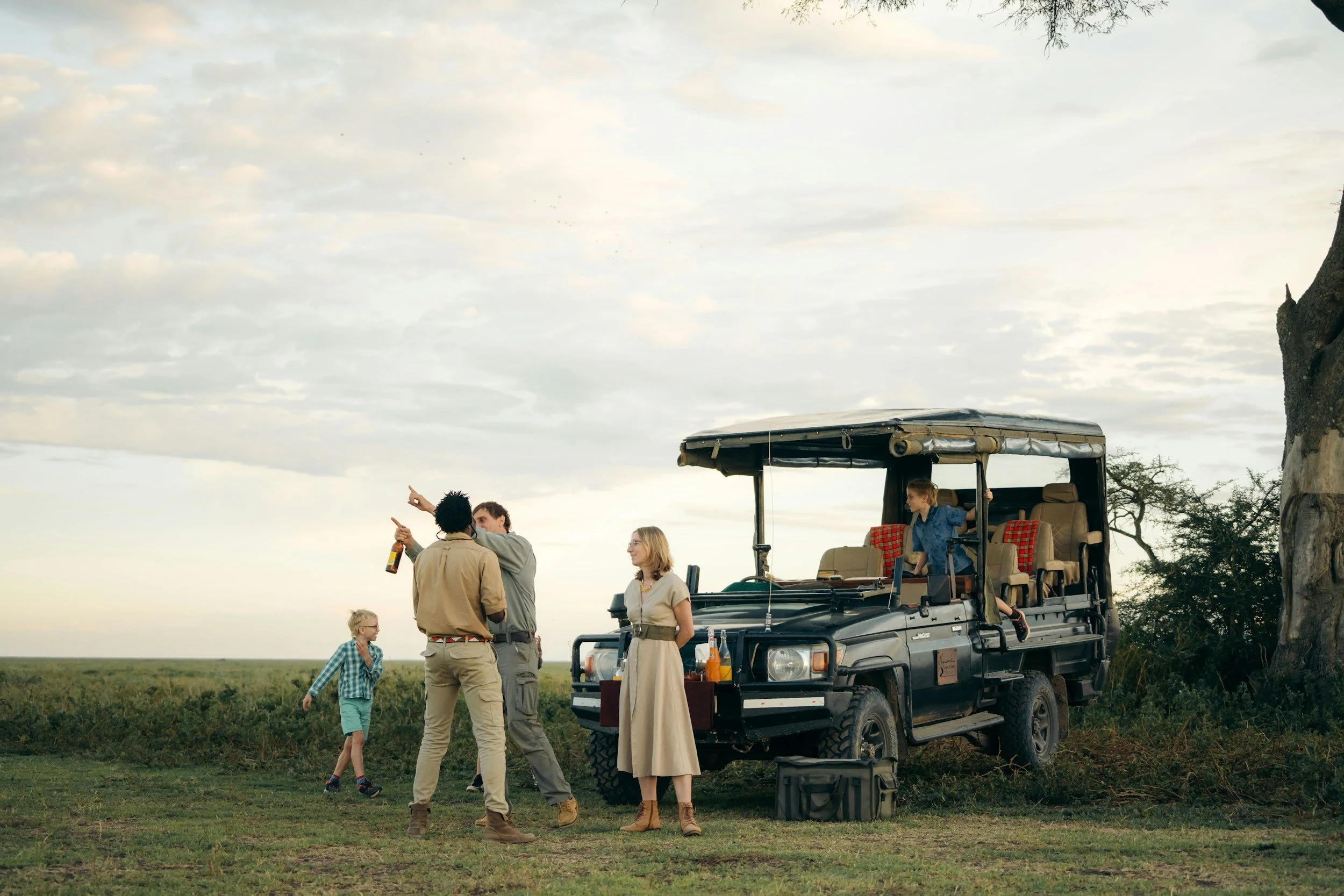
In wildlife-rich environments, your clothing is part of your fieldcraft. Neutrals, think khaki, olive, brown, gray will help you blend into landscapes and avoid startling animals. But beyond color, fabric choice matters enormously. Synthetic fast-fashion fabrics shed microplastics with every wash; merino wool and recycled-fiber technical clothing are superior alternatives. Pack layers you'll actually rewear: three versatile pieces beat seven single-purpose ones.
Leave bright colors, strong perfumes, and noisy fabrics at home. In rainforest and savanna environments especially, you are a guest in someone else's living room.
2. Sun and insect protection: read the label
This one surprises many travelers. Conventional sunscreens containing oxybenzone and octinoxate are toxic to coral reefs even trace amounts wash off in the water and cause bleaching. If your itinerary includes any coastal or marine activity, reef-safe mineral sunscreen (zinc oxide-based) is non-negotiable.
Similarly, DEET-based repellents, while effective, can be harmful to aquatic ecosystems. Look for picaridin or IR3535 alternatives, which offer strong protection with a lower environmental profile.
3. Optics: your most important wildlife tool
A good pair of binoculars transforms your experience. They allow you to observe animals from a respectful, non-disruptive distance which is both ethically right and, in practice, more rewarding. Animals behave naturally when they don't feel threatened. You see more. You understand more. We recommend 8×42 or 10×42 binoculars for most wildlife environments; they balance magnification, field of view, and low-light performance. If you're serious about birds, a spotting scope adds another dimension entirely.
"Distance is not a compromise, it's a form of respect that wildlife will reward you for."
4. Photography: ethics before the shot
Modern mirrorless cameras and long-reach lenses make it easier than ever to photograph wildlife responsibly from distance. Whatever camera you bring, commit to a simple rule: the animal's comfort comes before the image. Never approach, bait, play calls to attract, or use flash photography in sensitive environments. Some of the most compelling wildlife photographs are taken from far away, with patience not proximity.
Also worth noting: many wildlife destinations now have specific rules around drones. Check local regulations before packing one. In most national parks and reserve areas, they are prohibited and for good reason.

5. Toiletries and single-use plastics
Remote lodges and conservation areas often have limited waste management infrastructure. What you bring in, they deal with. Solid shampoo and conditioner bars, bamboo toothbrushes, reef-safe toiletries in reusable containers, and a stainless steel water bottle are basic equipment for the conscious traveler. Pack a small dry bag for wet items it replaces the need for dozens of zip-lock plastic bags over the course of a trip.
One more thing: leave the single-use wipe packets and individually wrapped snacks at home. In ecosystems that have never encountered synthetic materials, these small items can cause outsized harm.
6. Hydration: the two vessels worth their weight
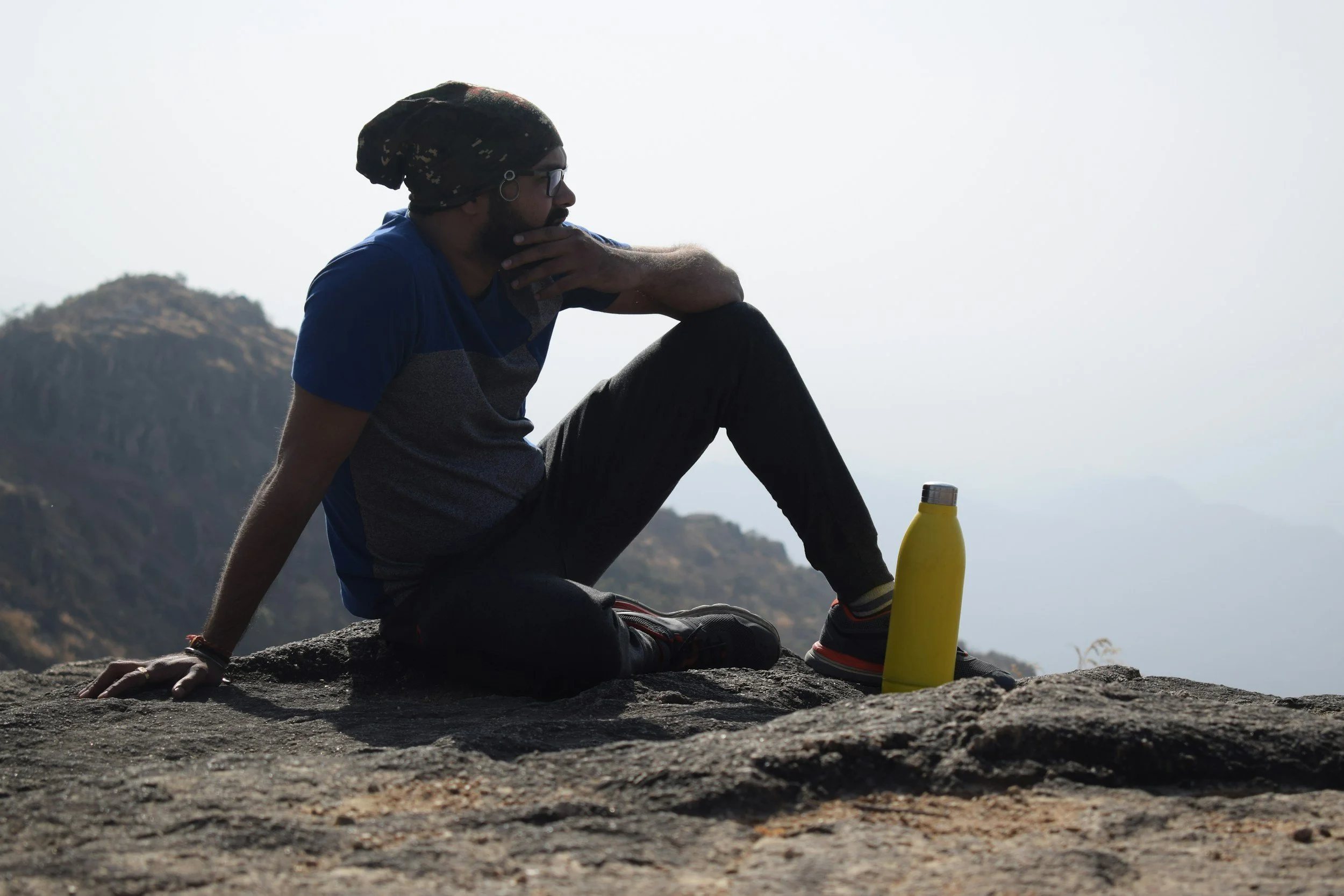
Single-use plastic bottles are one of the most visible forms of waste in wildlife destinations and one of the easiest to eliminate. A stainless steel water bottle (1L is the sweet spot for all-day fieldwork) keeps water cold for hours and takes a beating over years of travel. But there's a second vessel many travelers overlook: a reusable travel mug. Early morning game drives, dawn bird walks, and post-hike moments at camp all come with hot drinks and most lodges, if you bring your own mug, are delighted to fill it. It's a small thing that quietly signals what kind of traveler you are.
Some destinations have water refilling stations or purification tablets available; ask your guide or lodge in advance. The goal is to leave no plastic trace in ecosystems that have no system for processing it.
A final thought: pack light, carry purpose
The best conservation travelers we've traveled alongside share something in common they don't over-pack. A lighter bag means fewer decisions, more mobility, and less extractive consumption in its preparation. There's something fitting about that: the goal of conservation travel is to take nothing but memories, and that spirit begins before you even leave home.
Every thoughtful choice you make, from the sunscreen on your skin to the mug in your hand at sunrise, is part of how you show up for the places and animals you've traveled so far to meet. Pack accordingly.
Ready to journey with purpose?
Explore our small group conservation journeys to India, Chile, Namibia, and beyond.